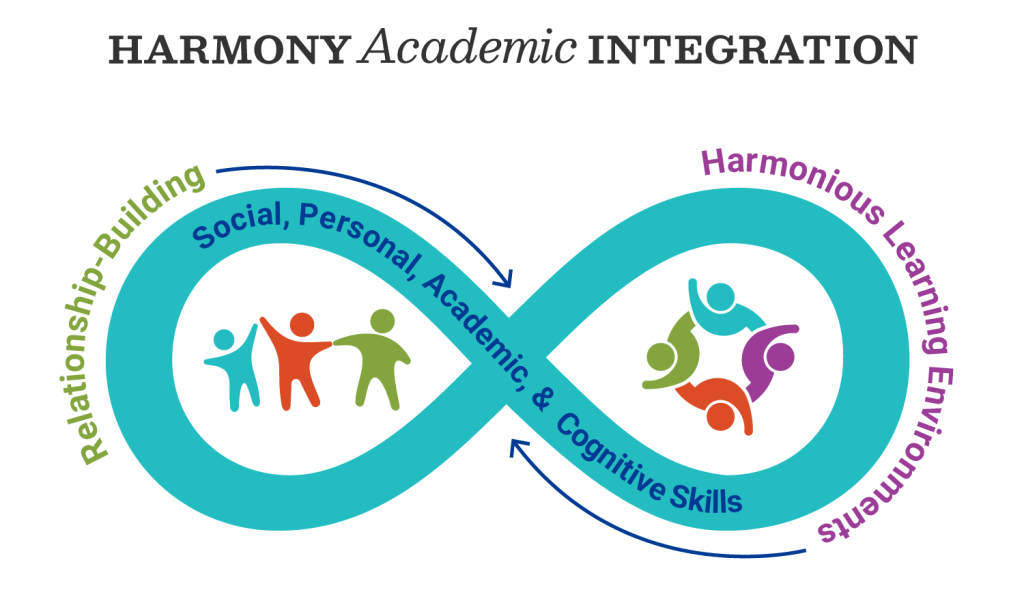
While there is great thought and effort dedicated to developing impactful Social, Emotional, and Academic Development (SEAD) programs for schools and classrooms, implementation deserves the same level of attention. On this engaging webinar hosted by the U.S. Department of Education, join researchers at Harmony, CASEL, and Circle Up as they explore the new research that shows systemic SEAD implementation positively impacts multiple aspects of students’ school experiences. Hear examples of how schools across multiple districts are deepening their SEAD integration in academics with the support of the Education and Innovation Research Grants and national leaders.
Viewers will come away with:
A clear and in-depth understanding of the nature of systemizing SEAD implementation in schools and districts
School district examples where they have achieved deeper implementation while working with Harmony and the EIR grant
Featured on the webinar:
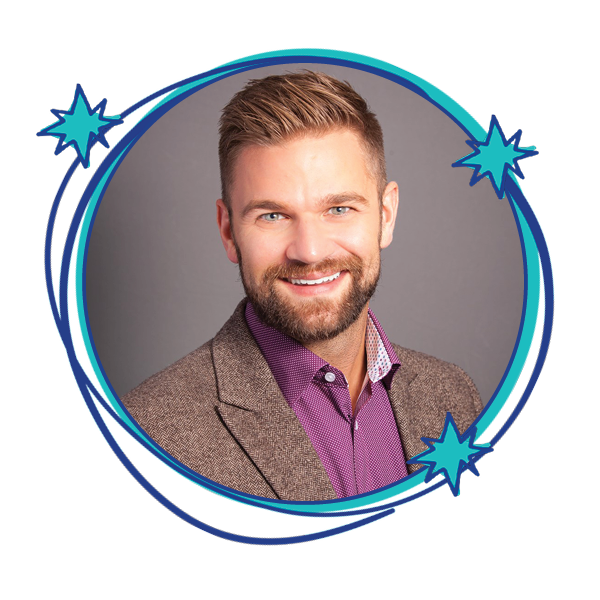
Dr. Nick Yoder Associate Vice President, Sanford Harmony at National University
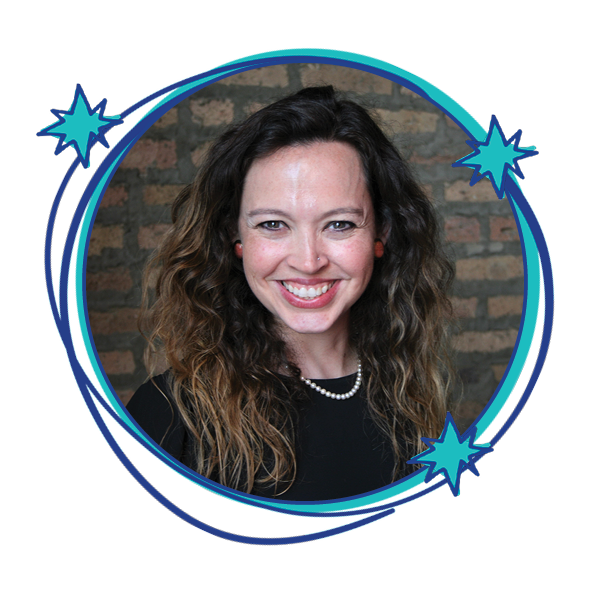
Dr. Ally Skoog-Hoffman Senior Director of Research and Learning, CASEL
Creating Harmony & Belonging as a Solution to Chronic Absenteeism
Clark County School District reduced chronic absenteeism by an impressive 9% in just one year. Using the Harmony Curriculum, they’ve fostered belonging and built life skills among students. Harmony Educator and Leader Certificate Programs are empowering thousands of CCSD educators. And district family engagement centers, enriched with Harmony at Home resources, link families to students’ learning. Together, Sanford Harmony and CCSD are creating a culture of connection and success. Explore how they’re making it happen!
We invite you to download our white paper today with the latest research about chronic absenteeism shared by Dr. Fisher, Dr. Yoder, Dr. Milliron, and Denise Diaz.
Fostering Harmony and Belonging as a Solution to Chronic Absenteeism co-authored by Dr. Fisher, Dr. Milliron, Dr. Yoder and Denise Diaz
We invite school and district leaders to hear strategies from leading researchers and practitioners on increasing a sense of belonging and supporting thriving, healthy classrooms as a solution to address chronic absenteeism. Join us in celebrating the success of Clark County School District, where they have helped reduce chronic absenteeism in their district by focusing on building connections with families, students, and educators. School and district leaders will leave this webinar with practical strategies they can implement tomorrow!
During the on-demand webinar, viewers will:
• Explore the research around the key factors that increase student sense of belonging in schools and help reduce chronic absenteeism.
• Discover key strategies that have supported Clark County School District that build engagement and connection.
• Get a sneak peek of Harmony Plus where these new resources are supporting teachers as they develop the skillset needed to continue to build healthy relationships, while inspiring the joy of learning in classrooms.
Dr. Douglas Fisher, Education Researcher & Award-winning Author
Dr. Fisher is a professor of educational leadership at San Diego State University. He is also a teacher leader at Health Sciences High & Middle College (HSHMC), an award-winning, open-enrollment public school in San Diego which he co-founded in 2007. Dr. Fisher’s areas of interest include instructional design, curriculum development, and professional learning. He has published over 250 books, chapters, and articles focused on school improvement and entered the Reading Hall of Fame in 2022.
Ms. Denise Diaz, Executive Director, Engagement Unit, Clark County School District
With a remarkable 26-year tenure serving CCSD families, Ms. Diaz has a rich background in education, dedicating 16 years to the classroom. Over the course of her career, her deep-seated passion for engaging families became increasingly apparent. Ms. Diaz is committed to equipping schools with research-based practices and programs aimed at engaging families and making a positive impact on student achievement.
Dr. Mark D. Milliron, President & CEO, National University
Dr. Milliron, an award-winning leader, author, speaker, and consultant, serves as the President & CEO of National University, one of the largest private, nonprofit universities in the United States. Dr. Milliron helps catalyze positive change in education through his service on the boards and advisory councils of leading-edge education organizations.
Dr. Nick Yoder, AVP, Center for Whole Human Education & Research, Sanford Harmony
Dr. Yoder leads and manages the team that supports four core areas: research, policy, content, and professional learning—each with an equity lens. With a career in education spanning two decades, Dr. Yoder’s expertise in integrating social, emotional, and academic development into educational policy and practice has been pivotal. Prior to Harmony, Dr. Yoder was the Director of Policy and Practice at the Collaborative for Academic, Social, and Emotional Learning (CASEL).
Ready to Level Up with Harmony Plus & Bring New Resources to Your District?
We invite district administrators, school leaders, and educators to tap into new administrator tools and classroom resources that support healthy learning environments and promote a culture of belonging in your schools.
Calling all Pre–K to 6th Grade Teachers: Sanford Harmony Summer Implementation is Now Available!
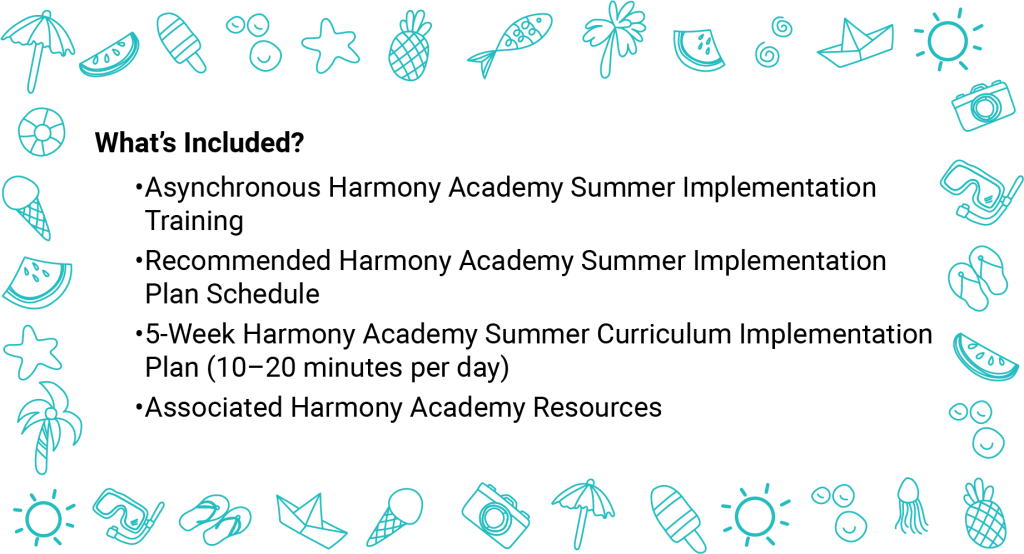
The Harmony Summer Curriculum is your map for implementing the three main elements of Harmony Curriculum Everyday Practices—Harmony Goals, Meet Up, and Buddy Up—as well as the mini lessons.
The turnkey lessons provide step-by-step instructions and scripting to easily incorporate relationship-driven instruction into your summer school curriculum, allowing you to build harmonious relationships and a welcoming classroom community.
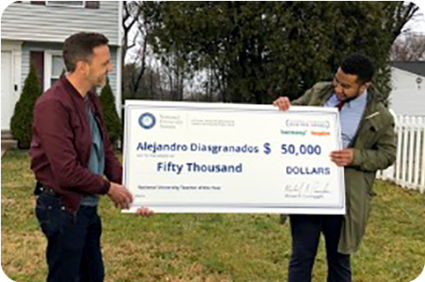
National University Announces the National University Teacher of the Year, Awards Alejandro Diasgranados $50,000 and a Full-Ride Scholarship to National University
Alejandro Diasgranados of Aiton Elementary School in Washington, D.C. selected from more than 51 state winners as 2020 National University Teacher Award winner
Today, the National University Teacher Award (NUTA) announced that Alejandro Diasgranados, afourth andfifthgrade teacher at Aiton Elementary School in Washington,D.C., is the nation’s top inspiring teacher for 2020.
Mr. Diasgranados was selected from more than 51 state winners and will receive a check for $50,000 and is eligible for a fullscholarship for National University’s Master’s Degree Program in Social and EmotionalLearningor a doctoral degree in Education from National University, City University of Seattle,or Northcentral University (All universities in the National University System). The surprise announcement was made todayby Dr. Michael Cunningham, Chancellor of the National University Systemon the nationally syndicated Drew Barrymore Show.
Video of Mr. Diasgranados winning the award on the Drew Barrymore Show can be foundhere.
During a challenging school year that saw students learning remotely for almost a year, the nation’s teachers — including Mr. Diasgranados — have had to scramble to ensure that their students have remained focused, motivated, and inspired.
“Inspiring teaching is critical to the well–being and the advancement of students reaching their full potential, especially as we recover from a year of isolationand disruption,” said Dr. Michael R. Cunningham, Chancellor of the San Diego-based, National University System (NUS), which is home to the Sanford College of Education, a top 10 producer of master’s degrees in education nationwide. “Mr. Diasgranadosrepresents everything the award stands for—a passion for teaching and a commitment to do everything they can to help children grow academically, socially, and emotionally.”
Mr. Diasgranados stays in constant communication with his students, which he found even more important than ever with the shift to remote learning and during a period of social and political unrest in the city.
“My students are like family to me. I have been able to stay connected to my students, even throughout this pandemic,” said Mr. Diasgranados. “It is so important to listen to what students have to say. We want to amplify students’ voices and provide a comfortable environment where they can share whatever emotions they have to share… Their excitement and passion is my inspiration.”
Influenced by an inspirational teacher when he was growing up, Mr. Diasgranados seeks to remove all barriers to his students’ success. Recognizing that students were being bullied or were not coming to school because they did not have clean clothes, he wrote to the Washington Football Team to set up a laundry facility for the community in the school. Recognizing that the school, in the Deanwood neighborhood of D.C., was in a food desert where students did not have healthy food options, he established a partnership with a local nonprofit that provides healthy cooking lessons each month to four grades throughout the school.
As he worked to earn a master’s degree at Johns Hopkins University, Mr. Diasgranados included all of his students in the process, teaching them all about college, its culture, and how to apply. For his graduation day, he and his students raised money to rent a bus to Baltimore so that all 40 students were present as he walked across the stage.
Created by the national, nonprofit National University System, the award recognizes teachers around the country who exemplify what it means to fully engage students, build confidence, create inclusive learning environments, motivate students to succeed, and give students a voice in their classroom.
In June 2020, the awards program selected one teacher from every state and the District of Columbia as National University Teacher Award winners for their states. Each award recipient received a check for $10,000, which they could use in any way they wanted.
Applications for the 2021 National University Teacher Award are available now from NUTeacherAward.org.
Next year, the national award winner will be selected from five regional finalists.
About The National University System
The National University System (NUS) is a network of accredited nonprofit education institutions serving a diverse population of students including pre-K-12 students and working professionals. NUS higher-education institutions serve more than 45,000 students through National University, Northcentral University, and City University of Seattle. NUS education-focused initiatives include Workforce Education Solutions, Harmony SEL, Inspire Teaching & Learning, and Fundraising Academy Cause Selling Education. Learn more at nusystem.org.
About Inspire Teaching and Learning and Harmony SEL
The National University System is a leader in social and emotional learning, leading a national expansion of affiliate programs in the pre-K-12 sector. These programs include Inspire Teaching & Learning, which offers research-based teaching methodologies and on-demand, self-guided modules that are accessible online and at no cost to help teachers create inspiring learning environments and encourage students to succeed. Harmony SEL is a pre-K-6 research-based social and emotional learning program that cultivates strong peer relationships between all students. Harmony SEL has been recognized by the Collaborative for Academic, Social, and Emotional Learning (CASEL) as a quality program.
Looking into the 2021 Healthy Learning Telescope
Edited by Nick Yoder, PhD
Introduction
One of the pictorial metaphors I have appreciated the most in 2020 is the vision of multiple boats who are all in the same storm—with high waves and lightning—each attempting to reach the shore. However, the boats are different sizes, have different numbers of people and resources on board, and are made of different materials. So, although each is endeavoring to reach the shore, their ability to make it will require different levels of effort and resources.
The “unprecedented” 2020 is finally over—what many of us saw as the shoreline. Although we have been striving to get to January 1, 2021, in hopes of a new horizon, we still have quite a few rogue waves to navigate before we finally make it to shore. And even then, a huge amount of work exists to tackle the disparate opportunities that became so clear in 2020. And while we do not know exactly what the future holds, it is critical to take a deep breath, celebrate making it to 2021, mourn those who did not, and acknowledge the differential experiences we each had over the past 10 months. To move forward, we must first reflect on what we have learned, what has worked, and what has not as we continue our journey to the shore. As the great Rafiki from Lion King stated, “Yes, the past can hurt. But the way I see it—you can either run from it or learn from it.”
One thing we definitely learned was the critical importance of healthy learning. Whether being on Zoom all day, caring for family members, worrying about friends, being concerned about having enough food on our table, or mourning loved ones, we all felt an additional strain on our well-being, using skills and knowledge we never knew that we had. But what does that mean for the future? If we were going to look into the 2021 Healthy Learning telescope, what skills, knowledge, and attitudes will we leave behind and which ones will we carry forward? Which Healthy Learning practices and skills helped us conquer the storm and reach the shore? How can we leverage that learning to create more equitable systems and practices?
In this article, we asked five of our Harmony colleagues and national experts to weigh in on what they saw as five key areas that will be important for 2021: distance learning, culturally responsive practices, adult well-being, academic integration, and skills assessment. We also asked our district partners to elevate their stories about what they have done and how they will continue to connect healthy learning with these key areas of effective implementation.
Distance Learning
By Doug Fisher, PhD
Schooling comes in many forms, especially this year. Children and youth are Zooming, Teaming, and hanging out virtually with their peers and teachers. Many of the students enrolled in school today are engaged in meaningful tasks and developing a wide range of competencies. Who would have thought that second graders would be developing presentations, sharing their screens, and problem-solving technology? And yet there are some students who have not been able to connect in these ways and need additional support to be successful.
Distance learning has provided educators with an opportunity to rethink what is important and to design new teaching, learning, and assessing opportunities. There are students all over the world who are now using asynchronous learning time to preview vocabulary and develop background knowledge before a synchronous lesson. And there are students who are engaged in meaningful review, practice, and application tasks that solidify their learning. That’s not to say they all are engaged in these types of learning, but that it’s possible. Teachers are doing amazing things, ensuring that students are learning, and they, themselves, are learning a set of skills that will serve us well, long after the pandemic.
As we begin to turn the corner, school is likely to change again. Now is the time to reflect on the lessons learned during the pandemic to make permanent changes. We learned that we can use technology in new ways to learn, but also that relationships—with students, with families, with colleagues—are central to the learning experience. As we move forward, we need to ask ourselves, what will be the role of families in the future? What role will technology play? And how can we create learning environments that ensure our students are future-prepared? We must take the time to learn from our experience and begin to test and research these new learning opportunities to create more equitable learning experiences for all students.
Los Angeles Unified School District
Los Angeles Unified School District (L.A. Unified) seeks to support the needs of all our students, families, and employees. Healthy learning has always been a priority for L.A. Unified— along with academics—as they recognize the importance of addressing the whole child. When schools closed, L.A. Unified jumped into action to continue to support students and families during this unprecedented time. Harmony at Home is one resource that L.A. Unified provides for educators to connect with and support families’ engagement in healthy learning efforts. Through this tool, teachers help parents learn how to create Harmony Goals for them to use with their children at home. Another way Harmony at Home is utilized is through continuing the practices of Meet Up and Buddy Up with their family members. Furthermore, educators are having success in using Harmony’s Distance Learning Guide, which provides them with tools helpful in modifying and supporting their daily practices through digital platforms. As L.A. Unified moves forward on their journey, particularly through blended learning, they will continue to engage with their partners to identify research-based practices to support students in all settings.
Culturally Responsive Practices
By Tyrone Howard, PhD
The concept of culturally responsive teaching was introduced by Education Scholars Gloria Ladson Billings and Geneva Gay. They both state that culturally responsive teaching is an approach to teaching that incorporates attributes, characteristics, or knowledge from a student’s cultural background into the instructional strategies and course content in an effort to improve educational outcomes. One of the primary ideas behind culturally responsive pedagogy is to create learning environments that allow students to utilize cultural elements, cultural capital, and other recognizable knowledge that they are familiar with to learn new content and information in order to enhance their schooling experience and academic success.
When thinking about cultural responsiveness there are three key ideas that educators must keep in mind:
Academic success should not have to come at the expense of cultural integrity. In other words, students’ cultural ways of knowing, being, thinking, and communicating should not have to be compromised as they learn new information.
Teachers must have a sociopolitical consciousness. Being aware of contemporary and historical factors that influence minoritized populations are critical in curriculum. Embracing discussions around issues pertinent to a given community are salient.
Educators must have a dynamic repertoire of instructional practices. Recognizing that students learn, think, and process in a myriad of ways requires that teachers structure instruction using whole-group, small pods, visual- and performing-arts-based approaches, individual tasks, skits, technology enhanced teaching—all of these methods help include diverse learners.
In the past 10 months, we have not found a model of teaching and learning that works for everyone. Although many students and adults are succeeding, many students have been struggling with remote learning. Thus, in the virtual format teachers must continue to find dynamic ways to engage students that can extend into the future. Developing new insights, and learning new information can be exciting when done properly. Especially if the content or information that we are learning about sparks our curiosity, excites our imagination, and piques our creativity. There is nothing more enticing than when new information has a connection to our own world, our own interests, and our own lived experiences.
Let’s be clear, relevance matters. Relevance matters because it allows us to feel as if what we know, see, feel and hear is important, and can help us learn more information. Arguably, there is no more important concept than when learning is connected to our worlds. When information is not reflective or connected to who we are, there is a tendency to disengage, disconnect, become frustrated, and turn off possibilities for learning. Our students are no different from us as adults. When they can engage in relevant and stimulating content the possibilities for their learning can be endless. Effort can improve, participation may increase, and most importantly learning can grow. Let’s continue to identify strategies that afford students opportunities to engage in tasks that are relevant to them.
Washoe County School District
Washoe County School District (Washoe) is committed to healthy learning in service of supporting all students, aligning their Equity Framework and Healthy Learning Standards. One approach taken by Washoe included using Harmony lessons as a tool to better understand the personal, social, and academic practices for multilingual learners. Through funding from Ed First, Washoe brought together a team of educators to engage in an action research process that included teaching an initial Harmony lesson, soliciting feedback on the lesson from a student panel, adapting the lesson with culturally responsive practices as well as recommendations from the students, reteaching the lesson, and debriefing with students once more. Through this project, teachers learned that it was important to bring in students’ home languages, use metaphors as a strategy to engage students, and ensure the goals, concepts, and language are clear for students, among many other lessons. Further, they want to look at their healthy learning indicators, define how to teach them, and understand where they show up and should fit in the curriculum. Moving forward with healthy learning, relationship skills, and accessibility work, educators will continue to focus on their equity elaborations, as defined by CASEL, ensuring that their standards afford all students to bring in their cultural assets.
Adult Well-being
By Richie Ressel
The pandemic has created one of the biggest disruptions to education in history, and this has impacted educators’ well-being and the degree to which they feel valued by others. Teachers have been presented with the options of potentially putting their health at risk by teaching in person, developing skill sets in a whole new approach to teaching through remote learning, or doing the impossible: teaching virtually and in-person simultaneously. A recent survey shows that 27% of teachers are considering quitting due to COVID-19 and 77% of teachers state they are working more now than a year ago. So as we look to 2021, supporting adult well-being has to be on the forefront of our minds.
Adult well-being includes developing educators’ own competencies, effectively utilizing self-care strategies, collaborating and building relationships with colleagues, and modeling healthy learning practices for students. As we look at the educator experience in 2020, effectively utilizing self-care strategies rises to the surface as being critical. This could look like establishing structures to reflect on what is causing educator stress and how it is impacting them, and then taking a moment to reflect on the strategies that may support educator well-being. Would practicing nutrition and exercise help you the most? What about relaxation techniques or positive self-talk? Spending the time to reflect and identify what educators need for self-care will be a critical part of the educator profession in 2021.
By creating a work environment that focuses on adult well-being, educators will learn how to identify stress symptoms they are experiencing and possible causes of that stress. It will also cause leaders to pay attention to the emotional environment in the school for adults and for students. As we continue to a new vision of education, we cannot forget the great work that leaders did to focus on adult well-being, while also recognizing we can always do more to create the environments where all adults and students feel successful and able to cope with stress.
Dallas Independent School District
When starting their healthy learning efforts, Dallas Independent School District (ISD) knew that they had to start with their adults. Adults need to understand what healthy learning is, how healthy learning applies to their own lives, ways to support healthy learning through culturally adaptive practices, and how to support student relationship skills development before educators should begin this instruction with their students. Because teachers really understood relationship development instruction, teachers were more easily able to implement a comprehensive instructional program, including morning meetings, explicit instruction through programs like Harmony, and integration into academic instruction. Given the success with adult support with in-person instruction, Dallas ISD knew they had to support their adults once distance learning began. They provided multiple opportunities for adults to engage in self-care training; and ensured that the adults were taking care of themselves and their families as needed. They even provided weekly mindfulness sessions for their teachers. As Dallas ISD looks ahead to 2021, they know that continuing to focus on the needs of the adults will be a priority so that they can meet the needs of all their students.
Academic Integration
By Frances Gipson, PhD
Educators across the country are engaged in a collective and urgent call to action for healthy learning environments. While many school systems were accelerating the importance of healthy learning, 2020 underscored and boldly marked this as an imperative for all. The needs and evidence are not understated—from the fast-food parking lot to the few brick and mortar schools still open—it is in the multiplicity of these varied learning settings that the need is evident, not only for students, but for the adult community too.
Integration has expanded even more in our thinking during this year with new ways of leading, learning, and liberating. Many years ago, a great mentor shared that we need a braid of content, reflection, and quality group development to strengthen high-quality instruction and development. Now we know that we must ensure the emotional competencies are explicit in this braid, and perhaps it is the core of what should be even more common for all of us in our academics.
Looking through the telescope, districts are engaged in the important and meaningful struggle to determine what counts for academic priorities. In this environment, hope is on the horizon, as dispositions towards mastery and deeper learning are expanding in our contemporary mindsets. Healthy learning is no longer a nice-to-have; it is a must-have. Now academically integrated, with an even stronger understanding of a growth mindset, we are seeing the healthy learning practices that are needed to match who we need to be for our learners. Perhaps, this evolved version is the truer definition of our goals and outcomes for academic integration. What do you think?
Broward County
Broward County recognizes the importance of integrated healthy learning supports. In their work, they developed personal, social, and academic standards with the goal of incorporating an evidence-based curriculum, such as Harmony, but also integrating it throughout academic instruction. Oftentimes teachers see relationship-based learning as something extra, but Broward County is helping educators identify ways in which it enhances and complements what they are already doing—recognizing that all learning is relationship driven. One approach to do that is through the social teaching practices identified by Dr. Nick Yoder. These practices help educators infuse the language of healthy learning throughout their interactions with students. As Broward County continues their work, they will continue to identify ways to bring all students into the curriculum by enhancing their relationship skills and creating the healthy learning environments that all students deserve.
Data for Continuous Improvement
By Clark McKown, PhD
“Prediction is difficult—particularly when it involves the future.”
–Mark Twain
I agree with Mark Twain that predicting the future is difficult. Still, as someone who has spent many years focused intensively on healthy learning assessment, I do have some ideas—a mix of prediction and aspiration, really—about what healthy learning assessment will look like in 2021.
This first idea is more prediction than aspiration. There is growing recognition that high-quality healthy learning assessment can and should guide instruction and measure learning in response to instruction. To that end, I predict that we will see more school districts adopting methods of assessing personal, social, and academic learning, and more states encouraging school districts to do so. In particular, I predict that performance-based competence assessments, particularly for the elementary grades, will be increasingly adopted to support instruction and measure progress.
My second idea is more aspiration than prediction. Educators differ in what they think should be assessed. Should we measure student competencies? If so, which ones? Should we measure climate? Should we measure adult practices? In my view, personal, social, and academic assessment will be in the best position to support teaching, learning, and student outcomes when: (a) educators assess competence, climate, and implementation in the context of an integrated system, (b) competence assessments measure skills that are the targets of instruction and reflect state standards, where such standards exist, and (c) school districts adopt and support high-quality data review practices that result in data-informed decisions about practice, and that chart the impact of those practices on climate and student competencies.
The third idea is an expansion of this last point above about data use and is equal parts aspiration and prediction. Educational leaders and decision-makers increasingly recognize that personal, social, and academic assessment involves more than administering an assessment and getting back score reports. For assessment to support effective practice, educators must spend time with the assessment reports, interpret their meaning, and use the data to make decisions about what to do. In 2021, I predict that more educators will participate in professional learning experiences designed to help them use personal, social, and academic assessment data to maximum benefit.
My final idea is aspirational, but I see signs that things are moving in this direction. The field of healthy learning has evolved in such a way that assessments and healthy learning programs and practices are largely offered separately. Assessment will be more useful to educators if it is integrated more closely with programs; conversely, programs will be more effective if high-quality assessment guides their use. I predict that 2021 will witness more collaborations between assessment providers and curriculum providers to create more integrated assessment and program offerings.
Metro Nashville
Metro Nashville Public Schools (Metro National) has been working on systemic, comprehensive healthy learning efforts for years. A large part of their work is the use of innovative data sources to understand how personal, social, and academic implementation is working throughout their district. One approach that they are using is their Walkthrough Tool, which attunes to the degree to which schools exhibit healthy learning practices across the school, the environments educators create in classrooms, and classroom instruction that explicitly teaches and reinforces healthy learning competencies. In addition, the district has a School Climate Survey, which includes topics such as safe and trusting relationships, high expectations, civility and equity, and student-centered classrooms. Metro Nashville continues to push their use of data, bringing together students and educators to help solve some of their most critical problems. For example, to help analyze the data, Metro Nashville is piloting a project to help bring student voice into data analysis sessions with the principal leadership.
Conclusion
As 2020 closes and 2021 begins, we are still looking into the telescope—wondering what will come, how will we better engage students, engage adults, and heal individually and collectively. If we can leverage the power of healthy learning to take care of ourselves and our loved ones, to show compassion and empathy for those who may be experiencing this differently from us, we can begin to heal and ultimately evolve into a more caring and just society. As our experts and districts have noted, we have to be intentional in doing this. As an educational community, we need to create the teaching and learning conditions that allow all students to thrive in a way that is meaningful to them and prepares them to succeed in their futures.
Harmony Curriculum is a Pre-K-6th grade program designed to foster communication, belonging, and strong community. With evidence-based Everyday Practices, lessons and activities, Harmony focuses on the Whole Student with the guided support for children to become caring, compassionate adults.