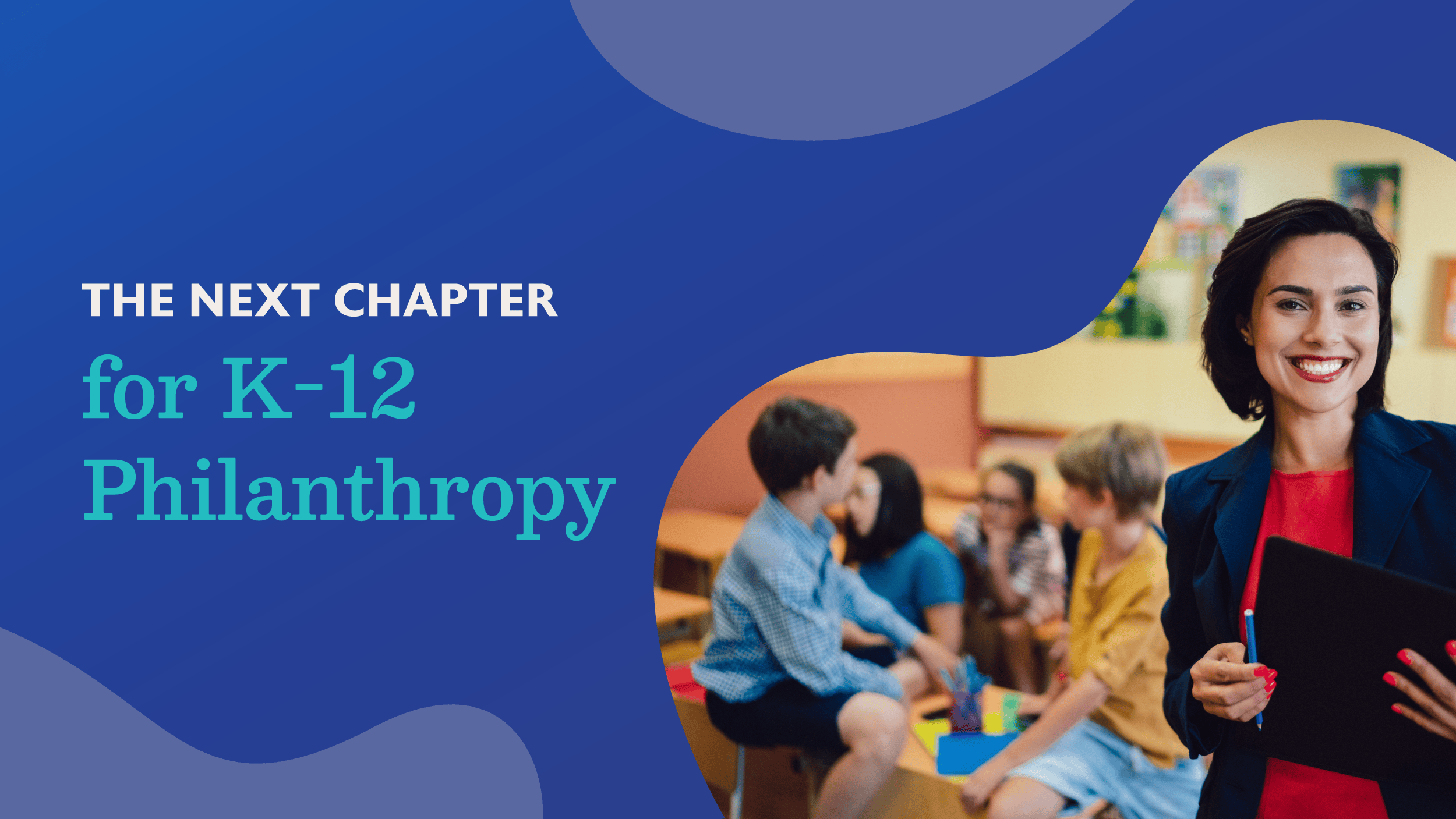
The Next Chapter for K-12 Philanthropy
School districts are being asked to do more amid increasingly complex challenges and uneven resources. Enrollment is changing. Costs continue to rise. Pandemic-era federal funding has ended. Yet expectations for how schools support students and families remain high.
For district leaders, philanthropy can play an important role in navigating this environment. But the strongest partnerships rarely begin with an urgent request for funding. They begin with relationships.
In our new white paper, The Next Chapter for K-12 Philanthropy, we explore how K–12 leaders can move from transactional fundraising toward long-term community partnership.

Drawing on real-world experiences from some of the nation’s largest school districts, experts examine how leaders can:
- Build relationships with businesses, foundations, and community organizations before an urgent need arises
- Engage the community in the district’s vision and priorities
- Find the intersection between what partners care about and what students need
- Look beyond financial contributions to expertise, mentoring, internships, advocacy, and other forms of support
- Build the trust and accountability that sustain partnerships over time
For superintendents, the takeaway isn’t that they need to become professional fundraisers. It’s that strong community partnerships are built through leadership, trust and a shared commitment to student success
As Superintendent Jhone Ebert explains, “The future is not simply about financial contributions. It is about bringing together the expertise, resources, relationships, and creativity of an entire community to solve challenges and create opportunities for students.”
AUTHORS
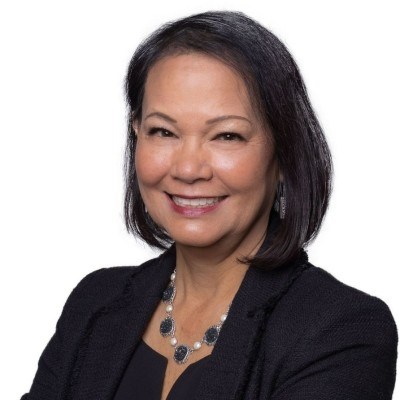
Jhone Ebert
Superintendent
Clark County School District

Richard Carranza
CEO & Founder
Carranza Educational Consulting, LLC Former District Superintendent

Jarrett Ransom
Senior Advisor and Lead Senior Ambassador
Sanford Institute of Philanthropy
