-
The Common Thread Behind Attendance, Engagement, Behavior and Achievement
By Nick Yoder, PhD
Associate Vice President, Innovation & ResearchThe Common Thread Behind Attendance, Engagement, Behavior and Achievement
District leaders are facing a long list of pressing issues: youth mental health, chronic absenteeism, student behavior, engagement and belonging, academic achievement and workforce readiness—all while managing tight budgets, staffing pressures and competing priorities.
Many of those pressures share a backdrop of growing disconnection. Young people report high levels of loneliness, and a growing number are turning to AI chatbots for companionship and advice, sometimes in place of the human relationships that help them thrive.
It is tempting to tackle each challenge separately. An attendance initiative for absenteeism. An academic intervention for achievement. A behavior strategy for discipline. A wellness program for mental health.
But these challenges have something important in common: the quality of students’ relationships and their connection to school.
When students feel known by adults, connected to peers and part of their school community, they are better positioned to participate, engage and learn. That makes relationships more than a school-climate issue. They are part of the conditions for student success.
Look for the Common Denominator
For district leaders, a useful question is: What conditions could help us make progress across several priorities at once?
The research tells me that relationships are one of those conditions.
We know that healthy relationships don’t simply happen because students share a classroom. Students need opportunities to connect, skills to build and maintain relationships, and environments that make those connections possible. When those conditions are in place, the effects can extend well beyond whether a student feels like they belong.
Richard Carranza, former Chancellor of New York City Public Schools, has seen that connection at the system level:
“When districts invest in the practices that help adults connect, reflect, and solve problems together, the payoff is real: steadier teams, stronger follow-through, and classrooms where students are more present and ready to succeed.”
Richard Carranza, former Chancellor of New York City Public Schools
What a Decade of Research Has Shown
That is what we have seen in more than a decade of research on Sanford Harmony. As detailed in our new report, Why Harmony Matters in Schools and Communities, randomized controlled trials and other studies have found improvements in peer relationships, prosocial behavior, school connection and academic outcomes, along with reductions in aggression and bullying.
Across studies, the Sanford Harmony approach has been associated with a 6% improvement in both academic achievement and classroom connection, a 10% increase in school enjoyment, and a 34% reduction in aggression and bullying.
And our Buddy Up practice specifically delivered a 67% increase in playing with new classmates and a 54% decrease in aggressive behavior.
The important point for district leaders isn’t any single number. It’s the pattern across the findings.
From Good Classroom Practice to Districtwide Impact
Most districts don’t need to be convinced that relationships matter. The harder question is how to make relationship-building intentional and consistent across classrooms and schools.
As Dr. Ruby Ababio-Fernandez, a former senior leader in New York City Public Schools, has said, building strong school relationships “isn’t just a feeling—it’s something leaders can design for.”
Building strong school relationships “isn’t just a feeling—it’s something leaders can design for.”
Dr. Ruby Ababio-Fernandez, former senior leader in New York City Public Schools
That distinction matters. When relationship-building depends primarily on the instincts and practices of individual educators, students’ experiences can vary considerably from classroom to classroom. A shared approach gives educators common language, strategies and opportunities to build connection while still allowing teachers to respond to the students in front of them.
For superintendents, that also means relationship-building doesn’t have to become one more initiative competing for attention. Done well, it can strengthen work already underway around attendance, engagement, behavior, school climate and academic success.
Sanford Harmony was designed around that idea, giving educators research-based resources to intentionally build relationship skills, peer connections and classroom environments from pre-K through middle school.
Relationships will not solve every challenge facing schools. But when attendance, engagement, behavior and achievement are all on the agenda, the research suggests that strengthening relationships can support progress across them—and offers district leaders a strong place to start.
LEARN MORE
Explore the research and evidence behind this approach in Sanford Harmony’s new report, Why Harmony Matters in Schools and Communities, including findings on student connection, engagement, behavior and academic outcomes.
About Nick Yoder PhD

Nick Yoder, PhD is Associate Vice President of Innovation & Research at Sanford Harmony. A former first-grade teacher and instructional coach, he holds a PhD in Education and Psychology and works with schools to make relationship-building part of everyday learning.
-
Harmony Begins in the Early Years
By Dr. Deborah Bergeron
Deputy Director | Community Engagement Innovation
National Head Start AssociationHarmony Begins in the Early Years
At the National Head Start Association (NHSA), we know what our youngest learners need for a strong start and a stronger future. Research shows that teaching relationship-centered skills early – birth to age six – yields improved outcomes in behavior and self-regulation. For Head Start students, those skills become the foundation for healthy learning in elementary school and beyond. Children experiencing poverty, homelessness, or foster care placement typically need more support for healthy development, so program teachers and staff must stay intentional about reaching every child where they are.
Bringing Harmony to Our Classrooms
NHSA is fortunate to work with the Harmony curriculum and resources through Sanford Harmony to enhance our early childhood educator training, including the Child Development Associate (CDA) credential. Our professional learning prepares teachers to help young children acquire the relationship-focused skills that will serve them for years to come.
Through developmentally appropriate activities, stories, songs, and trust-building routines, children discover how to recognize feelings, show empathy, communicate with others, solve problems, and create positive connections with peers and adults. Sanford Harmony’s practical tools give teachers and families a trusted approach to nurturing belonging, cooperation, and healthy relationships.
Sanford Harmony’s practical tools give teachers and families a trusted approach to nurturing belonging, cooperation, and healthy relationships.
At a time when screens compete for children’s attention, the window for cultivating relationship-focused skills early has never mattered more. Teachers and school leaders have the opportunity to prioritize this development in the classrooms that focus on our earliest learners’ day-to-day experiences. This investment will pave the way for their futures as productive citizens in the communities they will one day shape.
About Dr. B
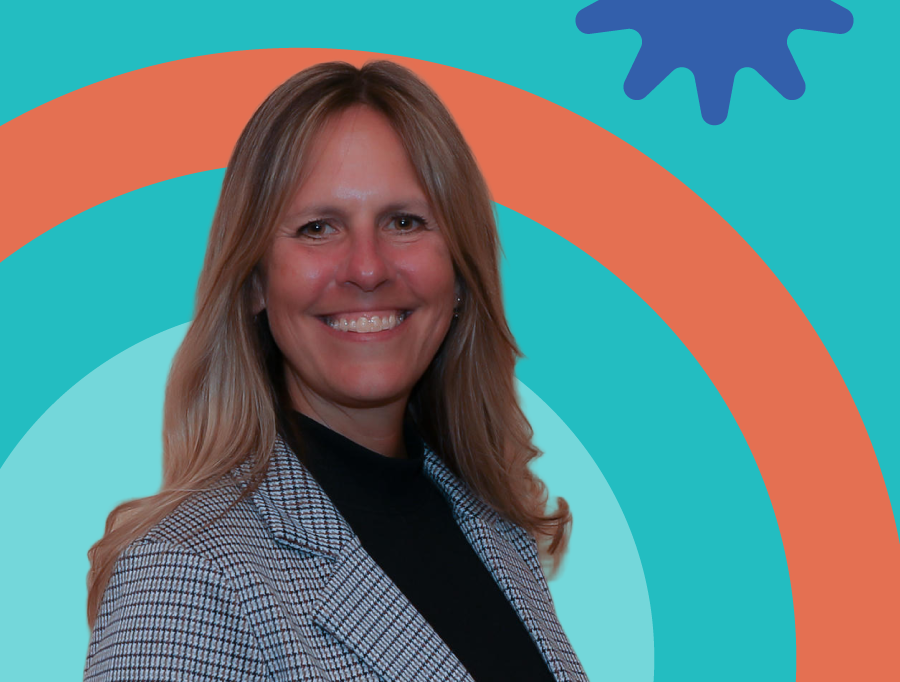
Dr. Deborah Bergeron, aka “Dr. B,” brings more than 30 years of experience in education and child development to her role as Deputy Director of Community Engagement and Innovation at the National Head Start Association. She previously served as Director of the Office of Head Start and Deputy Assistant Secretary for the Office of Early Childhood Development at the U.S. Department of Health and Human Services, where she championed policies supporting the nation’s most vulnerable children. A former classroom teacher and school administrator, Dr. Bergeron holds a Ph.D. in Education Policy and Educational Psychology.
-
Build Stronger Connections Beyond the School Day with Harmony
Build Stronger Connections Beyond the School Day with Harmony
At Harmony, we believe learning doesn’t stop when the school bell rings. Harmony Out-of-School Time (OST) provides students with meaningful opportunities to develop and apply personal, relational, and academic skills in enriching, real-world environments.
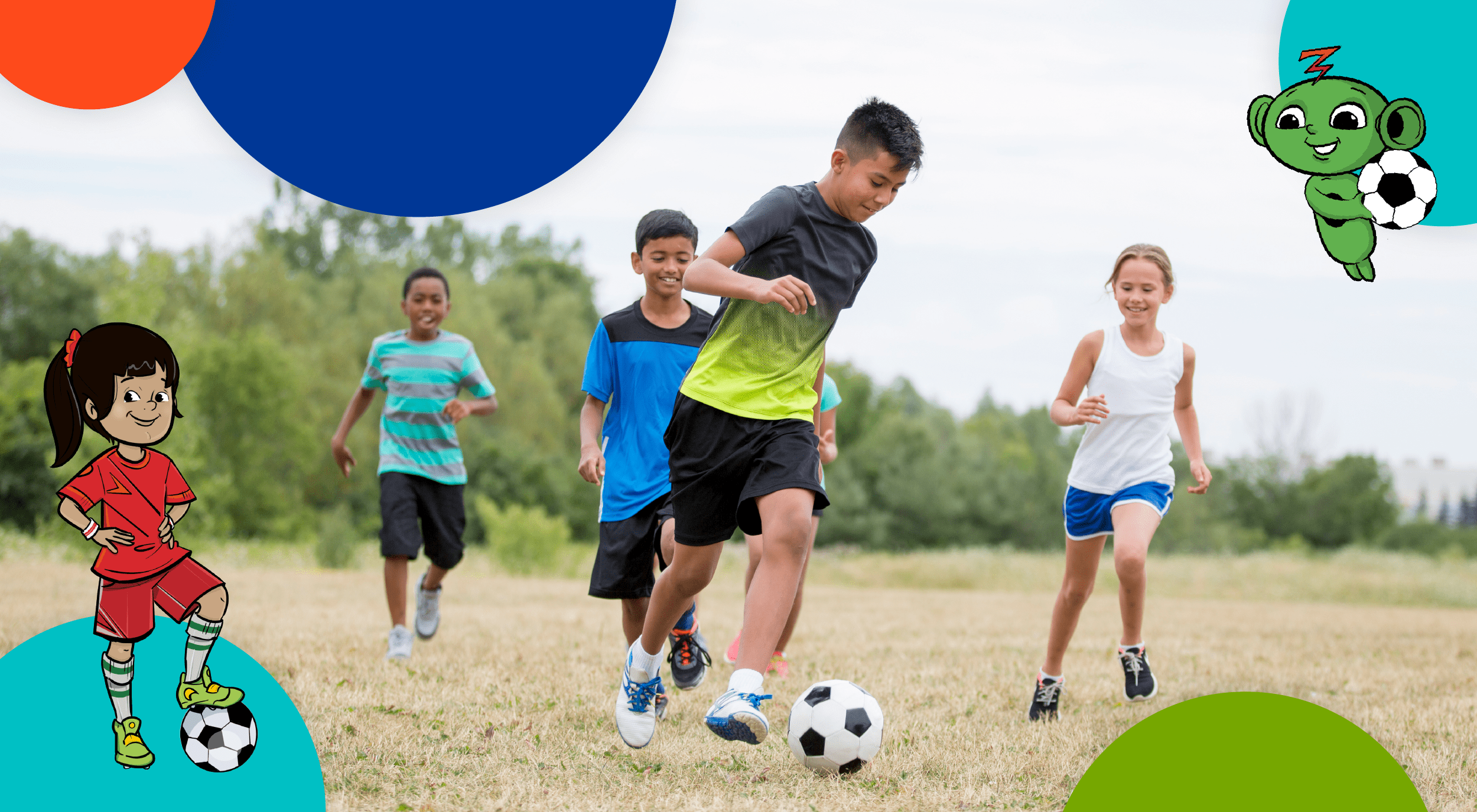
Whether it’s during after-school programs, summer camps, or youth sports, Harmony OST empowers youth to build healthy relationships and strengthen skills beyond the classroom.
Through a collaboration with the U.S. Soccer Foundation, we discovered they had a similar focus on supporting champions on and off the field.

“Sport has limitless power to transform youth by fostering impactful, healthful connections with mentors and building life skills that extend beyond the game.”
– Audrey Shaw-Edwards, Director, Content & Education, U.S. Soccer Foundation
We know that strong teams start with strong relationships. Young people thrive when they have consistent, supportive opportunities to practice relationship-building and teamwork. Sports-based programs offer a unique space where youth can grow in confidence, connect with peers and mentors, and apply what they’ve learned in new and exciting ways.
That’s why Harmony offers flexible, engaging Everyday Practices and Lessons & Activities specifically designed for OST and sports-based program settings. These tools help youth develop essential skills for building healthy team dynamics on and off the field while nurturing a sense of belonging and community.
“Sport has limitless power to transform youth by fostering impactful, healthful connections with mentors and building life skills that extend beyond the game. Tapping into this potential by empowering leaders with the tools they need to build meaningful, lasting relationships with the youth they serve builds a foundation from which the next generation can experience success and growth.” — Audrey Shaw-Edwards, Director, Content & Education, U.S. Soccer Foundation
NEW This Summer!
In our continued collaboration with the U.S. Soccer Foundation, Harmony has developed sports-based activities to help coaches, mentors, and sports educators promote teamwork, empathy, and respect — on and off the field.
These activities feature:
- Custom Quick Connection Cards for sports settings
- A focus on building strong peer and adult relationships
- Adaptability for various OST and athletic programs
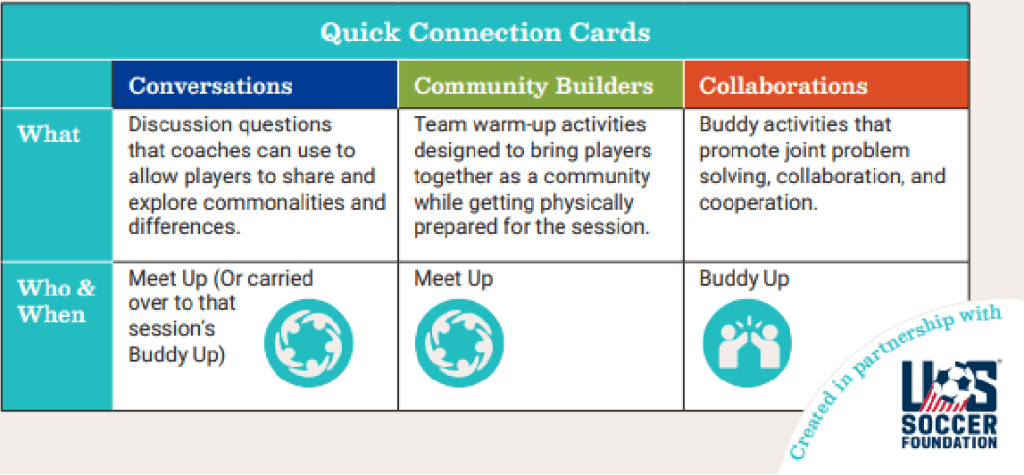
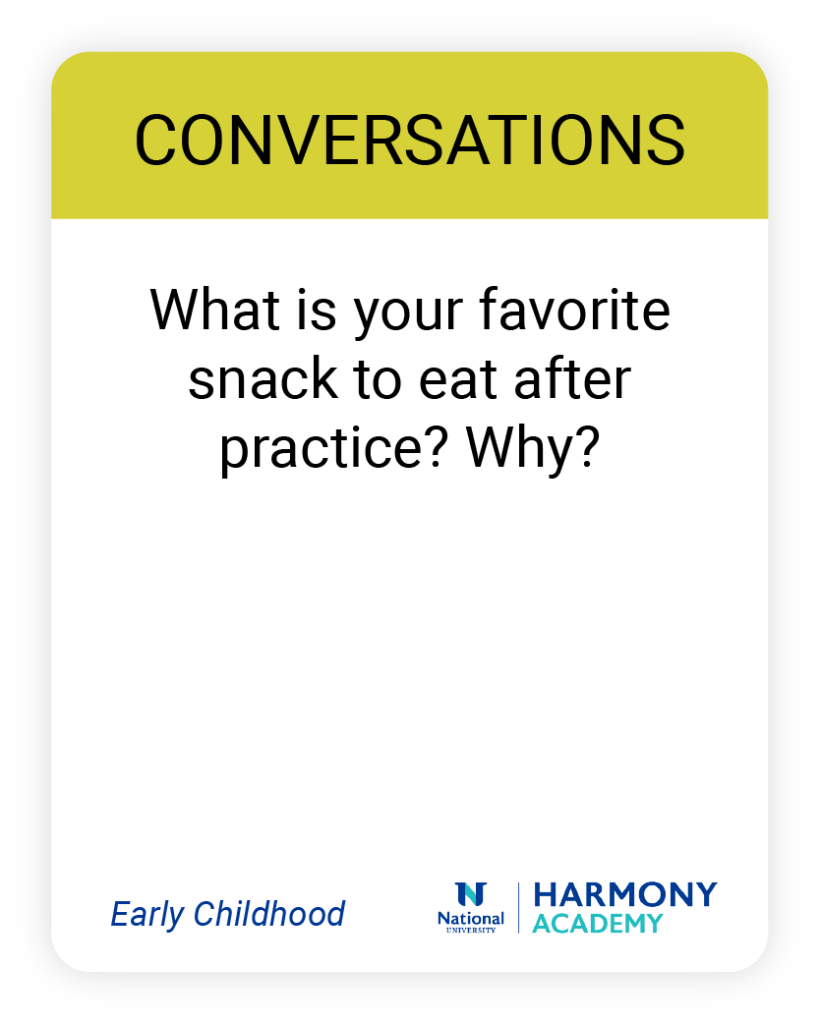
To support our focus on fostering a growth mindset, youth mentors and staff can view our co-created module, Mentoring In Sports: Coach Mentor Blueprint.
Ready to Bring Harmony to Your Program?
Whether you’re a coach, after-school coordinator, camp leader, or volunteer, Harmony OST provides everything you need to create a more connected, compassionate community for youth.
Explore activities for Lower Grades and Upper Grades
Access resources on the Online Learning PortalOriginally published on 07/09/2025, updated on 07/09/2026

- Custom Quick Connection Cards for sports settings
-
Beyond “Nice to Have”: The Science of Belonging as a Fundamental Need for Success
Beyond “Nice to Have”: The Science of Belonging as a Fundamental Need for Success
by Terrell Lamont Strayhorn, Ph.D., and Sarah Caverly, Ph.D.
In the ever-evolving contexts of education and today’s workplace, we often obsess over metrics. We track grades, graduation rates, quarterly earnings, and productivity hours with a fervor that suggests these numbers tell the whole story of human success. Success, however, is rarely the result of aptitude or efficiency alone; it is deeply rooted in a far more primal, essential necessity — the universal need to belong. We often underestimate the importance of a sense of belonging. Sense of belonging is defined as a basic need, a human right, a fundamental motive sufficient to drive human behavior, as vital to our survival as air, water, food, shelter, and sleep (Strayhorn, 2019).
It is not merely a “soft skill” or a warm-and-fuzzy feeling to be fostered after the real work is done; rather, it is the very conditions that make the “real work” possible. When we unpack the factors that comprise academic persistence, employee retention, and mental well-being, we find that one’s desire to feel connected, respected, and valued is the engine driving the machine.
True belonging is being accepted and valued for who you are, authentically and unapologetically.
What Belonging Is — and What It Is Not
To understand the power of belonging, we must first clarify what it means, as the term is often conflated with other concepts, such as community and engagement, to name a few. Belonging is not the same as “fitting in.” Fitting in implies a chameleon-like adaptability where one changes who they are to be accepted by the crowd; true belonging is being accepted and valued for who you are, authentically and unapologetically.
Belonging exists when you matter not because you assimilate, but because you are a distinctive, indispensable member of the community. According to research, some of which is my own, sense of belonging refers to a student’s or employee’s perceived social support, a feeling of connectedness, and the experience of mattering — feeling cared about, accepted, respected, valued by and important to the group. The group, in turn, depends on the individual for what they bring and who they are (Strayhorn, 2019).
This interdependence is crucial because belonging is inherently relational. It is not a fixed trait that you simply have or do not have; it’s a dynamic state that changes based on context, time, and circumstances (Strayhorn, 2026). It relies on what I call relational consistency — the reliable, recurring, purposeful interactions that provide evidence that one matters to the people around them. Approaches like those offered by Harmony Academy emphasize everyday interactions and routines that allow belonging to be reinforced consistently, even as students, classrooms, and contexts change. Whether in a classroom or a boardroom, individuals are constantly scanning their environment for cues of safety, security, and acceptance (hereafter in this series ‘identity safety cues’). Acceptance, once perceived, frees the mind to focus on higher-order tasks like self-reflection, creative exploration, intellectual risk-taking, and ethical reasoning.
The Profound Impact of Belonging: The Evidence
When the need to belong is met, the results are transformative across every dimension of human development. Scholars have demonstrated that human development, particularly in educational and professional settings, can be hindered when individuals feel invisible or isolated; however, it flourishes when they feel cared for, connected, safe, and secure, both physically and psychologically. For students, a strong sense of belonging is linked to better academic performance, increased persistence, a stronger sense of self, and higher self-efficacy. For educators, belonging reduces stress and is associated with greater productivity and retention (Strayhorn, 2010; 2025).
Building Belonging: From Theory to Practice
If belonging is the goal, how do we build it? We must move beyond passive platitudes to conscious construction. Construction of belonging-rich environments requires intentionality in our policies, practices, and everyday interactions.
In the Classroom and On Campus. For students, belonging is often fostered in the “small moments” of relational consistency. It is the teacher who learns names and pronounces them correctly. It is the syllabus that includes culturally-relevant scholars, signaling to students from all backgrounds that they have a place in the intellectual lineage of the field. It is also the presence of intentional, recurring practices such as those embedded in the Harmony Curriculum that create predictable opportunities for students to be seen, heard, and valued. Alongside high-impact practices like honors seminars, undergraduate research, service learning, and living-learning communities that structure social interaction around shared academic interests, these everyday moments become the glue of community.
Furthermore, we must help students develop navigational capacity — the skills and know-how to maneuver through complex institutional structures that were often not built for them. This involves clear access to advising that anticipates student needs rather than waiting for students to fail. Schools and districts can create visible, student-friendly systems such as “Where Do I Go?” hubs, designated staff points-of-contact, or simple digital help desks where students and families can quickly get answers about schedules, assignments, transportation, or resources. When students know where to turn and feel that the institution is actively trying to help them succeed, they are apt to feel like they belong.
In the Workplace. For employees, belonging begins with onboarding processes that do more than check boxes; they must connect new hires to the culture and people of the organization. Workplaces should facilitate ‘near peer’ mentorship and sponsorship opportunities, ensuring that everyone has a guide to help them navigate the professional landscape. That’s made easier when staff are recognized not just for their labor, but for their unique contributions — what psychologists call “ego-extension,” or the feeling that others share in your success (and frustration), and that your work represents the group.
Moving Beyond Deficit Framing: The Asset-Based Approach
To truly foster belonging, we must fundamentally shift our mindset regarding the people we serve. We serve best when we reject the “deficit model” that views students or employees as problems to be fixed. Fixed mindsets lead us to label students as “at-risk” and employees as “low performers” or “difficult,” labels that pathologize their backgrounds and ignore the systemic barriers they face.
Instead, we must adopt a strengths-based lens that views students and staff as “at-promise.” When we validate students or personnel — when we explicitly tell them, “You belong here, and you have what it takes” — we activate their resilience and grit. Grit, however, is not just about individual perseverance; it is about the environment providing the soil in which that perseverance can take root (Strayhorn, 2014). By focusing on assets rather than deficits, we signal that culture, identity, and language are not challenges to be managed, but resources to be celebrated and leveraged toward human success.
A Call to Action
The work of building belonging is never finished; it must be continually satisfied because circumstances and contexts change (Strayhorn, 2019). Change is the only constant in education and the workforce, and as we face new challenges, we must recommit to the human needs of our communities.
As we go into this series, here’s a set of questions and recommendations for those who lead, teach, and serve:
- For Educators: Are you relying on “transactional” interactions that focus only on the task at hand, or are you building relational consistency by showing authentic care? Ask yourself: Do my students and staff know that I believe in them and their ability to grow?
- For Community Leaders: How are you signaling to the most vulnerable among the community that they are indispensable to the whole? Are your spaces physically and psychologically safe for everyone, or do they only serve the majority?
- For Families: How can you support the navigational capacity of your children by helping them affirm their sources of strength, and how do you co-engage with schools to support learning and development?
- For Policymakers: Are your metrics of success limited to test scores and earnings, or do they account for the human need to belong? Are you funding the support structures — like counseling centers, gathering hubs, accommodations, and need-based aid — that make belonging possible?
- For Organizations: Do you view belonging as a “pie in the sky” bonus, or as a strategic imperative for retention and innovation? Are you creating pathways for every employee to feel they matter?
Building belonging at scale requires both individual commitment and shared structures. When educators and organizations pair intentional mindsets with consistent, research-aligned practices, such as those reflected in the Harmony Curriculum, belonging moves from an aspiration to activation, from a magical moment to a daily lived experience.
Belonging is the thread that weaves our individual striving into a collective story of success. Success is within reach, but only if we ensure that every person who walks through our doors knows, without a shadow of a doubt: You matter. You are enough. You belong here. Just the way you are.
References
Strayhorn, T. L. (2014). What role does grit play in the academic success of black male collegians at predominantly white institutions? Journal of African American Studies, 18(1), 1–10. https://doi.org/10.1007/s12111-012-9243-0
Strayhorn, T. L. (2019). College students’ sense of belonging: A key to educational success for all students (2nd ed.). Routledge.
Strayhorn, T. L. (2025). Factors contributing to workplace belonging in human service sectors. Journal of Business Strategy Finance and Management, 7(2), 105–110. https://doi.org/http://dx.doi.org/10.12944/JBSFM.07.02.02
Strayhorn, T. L. (2026). Students’ sense of belonging and involvement in college: Key insights from research for practice. Bloomsbury.
Related Posts
-
Integrate Belonging Into Summer Learning With Harmony!
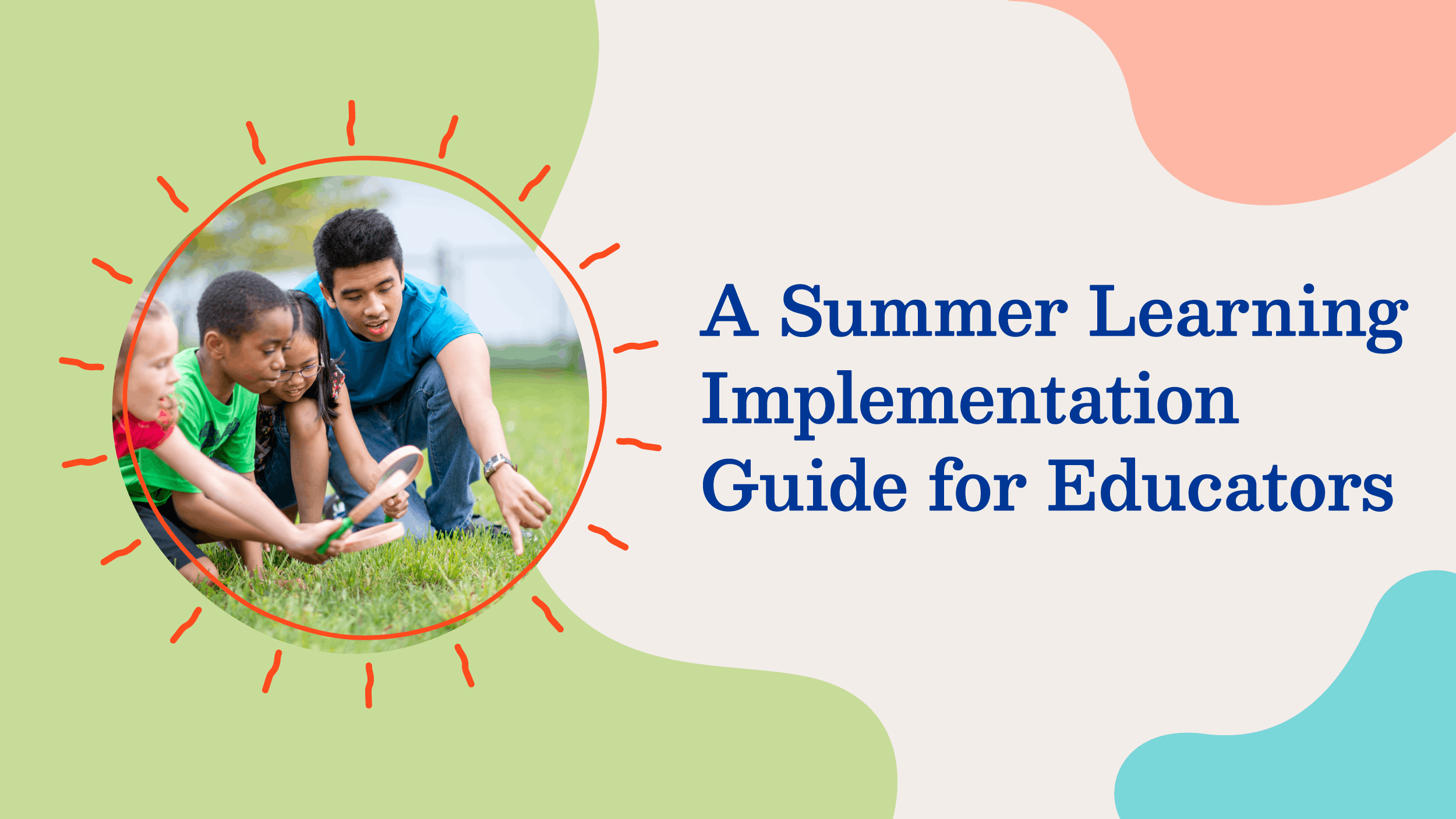
Summer learning offers an opportunity to do more than keep students engaged. It’s also a chance to create learning environments where every student feels accepted, valued, and connected to their peers and teachers — the very definition of belonging within a school community.
Belonging research shows that students who feel a strong sense of belonging are more likely to participate, take academic and social risks, and persevere through challenges (Walton & Cohen, 2007). As a result, their learning and achievement outcomes improve (Fisher et al., 2025)!
Intentionally creating learning spaces where students feel they belong not only ensures they experience an enriching summer of learning, but can also inspire them to carry that momentum into the new school year.
The Harmony Curriculum Summer Implementation Guide is your map for building that sense of belonging from day one. This guide centers the three main elements of Harmony Curriculum Everyday Practices — Harmony Goals, Meet Up, and Buddy Up — as well as the mini lessons.
The turnkey lessons provide step-by-step instructions and scripting to easily incorporate belonging practices into your summer school curriculum. You will be equipped to foster harmonious student relationships that strengthen their sense of community and drive meaningful learning outcomes.
Why Use Harmony This Summer?

Foster Belonging: Build community with students from day one using relationship-focused practices.

Promote Collaboration: Help students work better together through structured, engaging peer interactions.

Support Educator Wellness: Join our June and July live online training sessions for teacher self-care and well-being.
Explore the Free Lessons Here:
What’s Included?

Asynchronous Harmony Curriculum Summer Implementation Training

Recommended Harmony Curriculum Summer Implementation Plan Schedule
5-Week Harmony Academy Summer Curriculum Implementation Plan Schedule (10–12 minutes per day)
Associated Harmony Academy Resources
Contact Harmony@nu.edu with any questions.
References:
Fisher, D., Caverly, S., Blanc-Gonnet, M., & Yoder, N. (2025). Belonging as a core condition for learning. [White Paper]. Harmony Academy at National University. https://www.sanfordharmony.org/wp-content/uploads/2026/03/BelongingCoreConditionforLearning.pdf
Walton, G. M., & Cohen, G. L. (2007). A question of belonging: Race, social fit, and achievement. Journal of Personality and Social Psychology, 92(1), 82–96. https://doi.org/10.1037/0022-3514.92.1.82
Originally published 05/14/2025. Update on 05/14/2026
Related Posts
-
Students Share the Small Ways Teachers Build Belonging
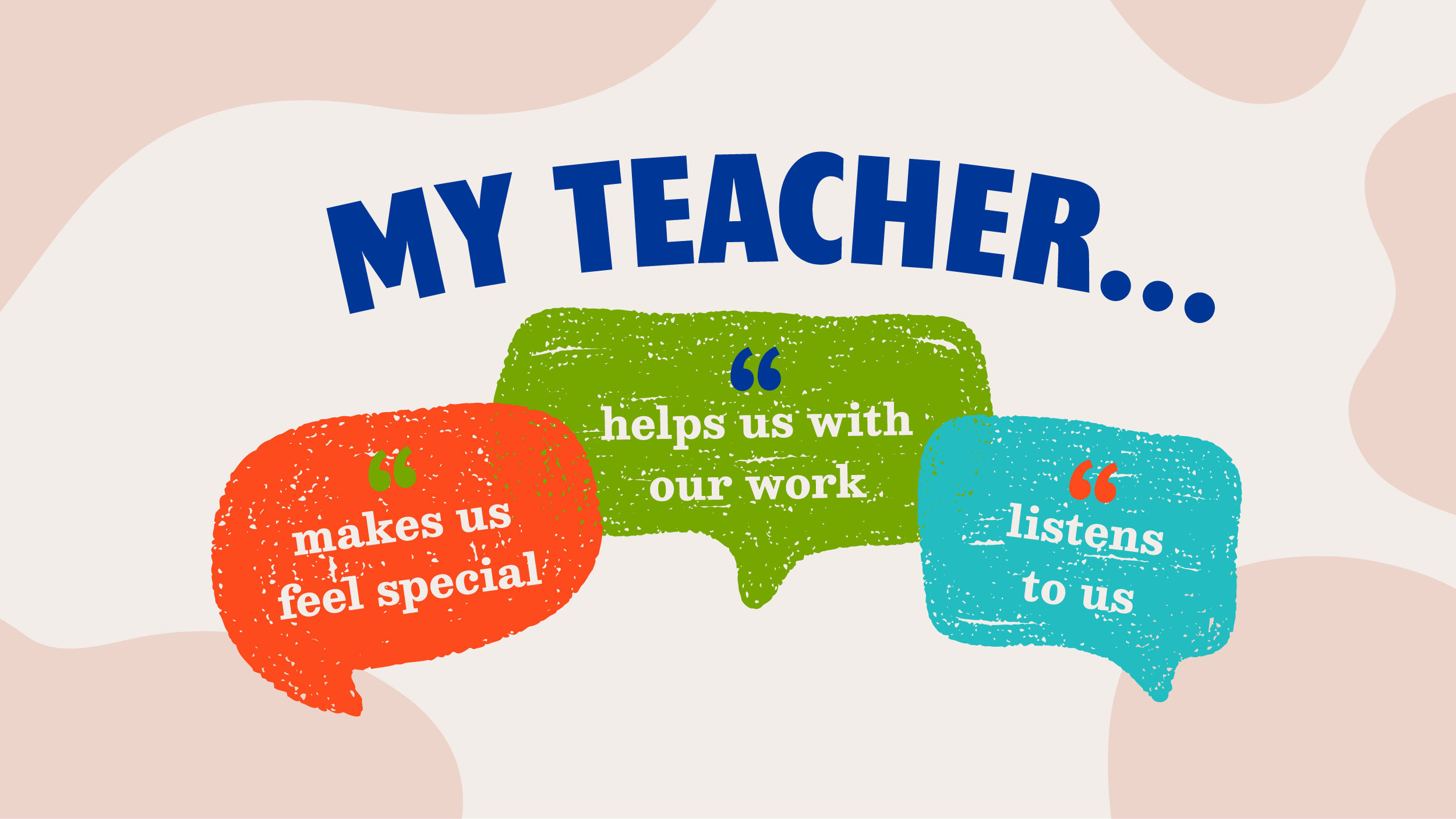
Students Share the Small Ways Teachers Build Belonging
In Honor of Teacher Appreciation Month, we want to recognize the amazing educators who build belonging in classrooms every day. Teachers have a remarkable superpower: helping every student feel seen, valued, and like they belong in their learning communities.
How do we know that? Because their students told us!
We reached out to teachers across the country to ask their students: What does your teacher do to make sure all students feel like they belong in your classroom?
Here are their heartfelt responses:

“She helps us when we struggle.” – Leo C., 3rd grade

“She calls on us when we raise our hand.” – Una D., 3rd grade

“She makes us feel special. It’s her superpower!” – Owen K., 3rd grade

“She lets me and my friends help out, and gives new opportunities to be helpful.” – Myra K., 3rd grade

“When we need help, she comes to help us.” – Caroline M., 3rd grade

“We talk a lot, and what she says makes my insides feel warm and toasty.” – Zara O., 1st grade

“My teacher shows interest in what we do outside of school.” – Parker S., 1st grade

“My teacher gives us opportunities to show our personality.” – Liam T., 2nd grade

“My teachers smile and greet us.” – Vanessa M., 7th grade

“She is nice, she listens to us, we trust her, and I never want to go to 2nd grade.” – Jaycee D., 1st grade

“My teacher helps us with our work. She is nice, and everybody loves her, especially me.” – A’amoni H., 1st grade
“My teacher makes everyone in my classroom feel like they belong because she always asks if you feel down when you cry and she checks up on you.” – Gunner A., 4th Grade
“Every day Ms. Ahn helps the classroom and she is very funny. She picks the people with low points! She always treats us the same and always talks about what we should do. This tells me she is a good teacher and makes me feel like I belong.” – Anna G., 4th Grade

“My teacher has a special way of making everyone feel like they truly belong. When someone gets a problem wrong, he never makes them feel bad. He helps them understand where they went wrong, helps them fix it, and gives them the chance to share their new thinking.” – Elijah, 4th grade
“My teacher makes the whole class feel like we belong when we get new partners each Monday, and we spend time getting to know each other through different questions he asks. It helps me feel comfortable. “ – Berkley, 5th grade
We also received this video message from a second grader in Memphis, Tennessee:
What else can we say? Thank you teachers for making your students feel like they matter. You’re our belonging champions!
Related Posts
-
Belonging as a Core Condition for Learning
Belonging as a Core Condition for Learning
Schools today are grappling with rising chronic absenteeism, widening learning gaps, and increasing teacher dissatisfaction. Belonging — the feeling of being accepted, valued, connected, and a contributor within a community — is a fundamental human need. Research consistently shows that fostering belonging strengthens both student outcomes and educator wellbeing. It’s not just a feeling to be nurtured, but a foundational condition that shapes school climates, instructional effectiveness, and student success.
This whitepaper explores:
- Barriers to student and staff feeling a strong sense of belonging
- What belonging looks like in practice for students and adults
- Concrete strategies educators and leaders can take to promote belonging
Meet Our Contributors:

Douglas Fisher, Ph.D.

Sarah Caverly, Ph.D.
Miriam Blanc-Gonnet

Nick Yoder, Ph.D.