Build Stronger Connections Beyond the School Day with Harmony
Build Stronger Connections Beyond the School Day with Harmony
At Harmony, we believe learning doesn’t stop when the school bell rings. Harmony Out-of-School Time (OST) provides students with meaningful opportunities to develop and apply personal, relational, and academic skills in enriching, real-world environments.
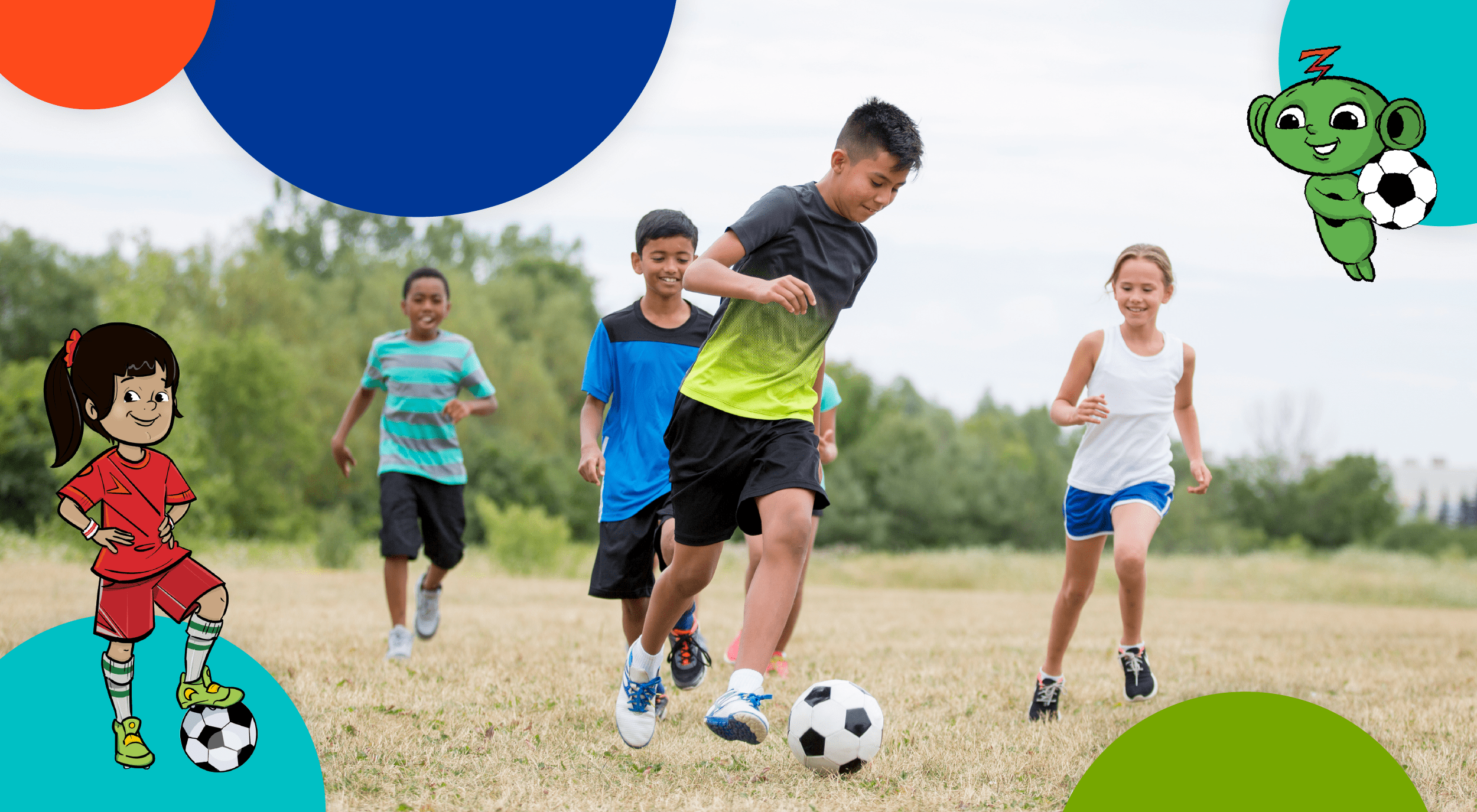
Whether it’s during after-school programs, summer camps, or youth sports, Harmony OST empowers youth to build healthy relationships and strengthen skills beyond the classroom.
Through a collaboration with the U.S. Soccer Foundation, we discovered they had a similar focus on supporting champions on and off the field.
“Sport has limitless power to transform youth by fostering impactful, healthful connections with mentors and building life skills that extend beyond the game.”
– Audrey Shaw-Edwards, Director, Content & Education, U.S. Soccer Foundation
We know that strong teams start with strong relationships. Young people thrive when they have consistent, supportive opportunities to practice relationship-building and teamwork. Sports-based programs offer a unique space where youth can grow in confidence, connect with peers and mentors, and apply what they’ve learned in new and exciting ways.
That’s why Harmony offers flexible, engaging Everyday Practices and Lessons & Activities specifically designed for OST and sports-based program settings. These tools help youth develop essential skills for building healthy team dynamics on and off the field while nurturing a sense of belonging and community.
“Sport has limitless power to transform youth by fostering impactful, healthful connections with mentors and building life skills that extend beyond the game. Tapping into this potential by empowering leaders with the tools they need to build meaningful, lasting relationships with the youth they serve builds a foundation from which the next generation can experience success and growth.” — Audrey Shaw-Edwards, Director, Content & Education, U.S. Soccer Foundation
NEW This Summer!
In our continued collaboration with the U.S. Soccer Foundation, Harmony has developed sports-based activities to help coaches, mentors, and sports educators promote teamwork, empathy, and respect — on and off the field.
These activities feature:
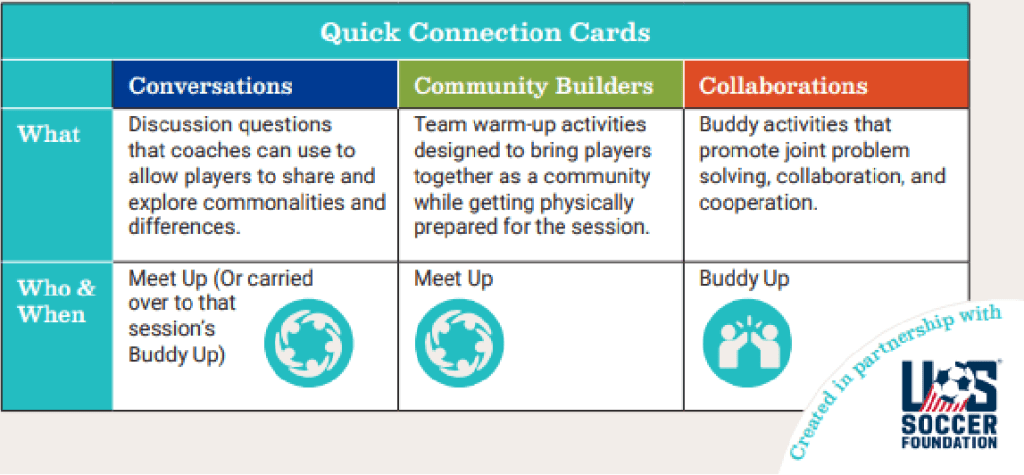
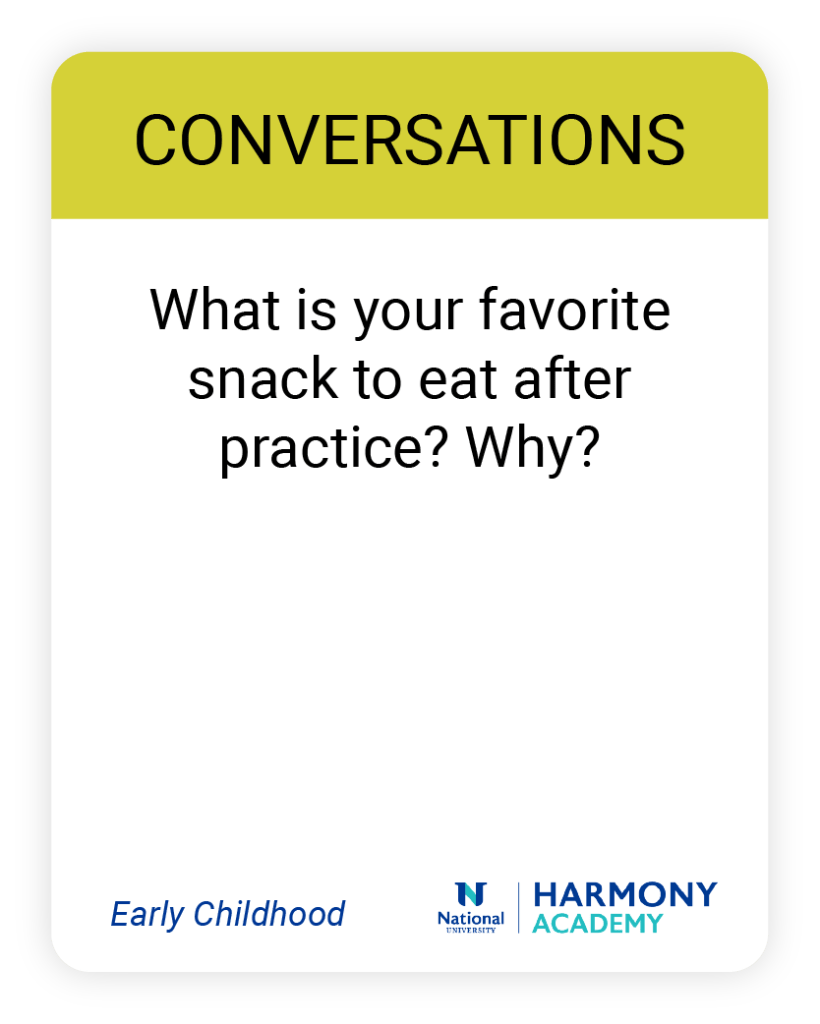
Custom Quick Connection Cards for sports settings
A focus on building strong peer and adult relationships
Adaptability for various OST and athletic programs
Whether you’re a coach, after-school coordinator, camp leader, or volunteer, Harmony OST provides everything you need to create a more connected, compassionate community for youth.
Originally published on 07/09/2025, updated on 07/09/2026
Welcome Back to School: Teacher Tips from Harmony Educators!
Back to School is such an exciting time of year! As you prepare to greet and welcome students into new environments, establishing strong new school year routines and prioritizing classroom community building can set the tone for success. Our Harmony Educator Advisory members have gathered practical advice and words of encouragement to support you along the way.
From thoughtful classroom prep to must-use Harmony resources, these back-to-school tips for teachers are designed to help you foster strong relationships and healthy school climates that last throughout the school year.
Aimee Gallant
1st Grade Teacher Hopewell, VA
My best educator tip for back to school: Ensure you are ready for the first day of school. Make sure you have your procedures written down and make a list of everything you need to go over with your students during the first week. Here’s how:
Prepare Your Classroom
Spend time setting up your classroom for your students. It is essential to have a classroom that is inviting and welcoming to both students and parents. When you are preparing your classroom, take the time to organize materials and the classroom in a way that will be helpful for both you and your students.
Build Relationships
During the first week of school, get to know your students. You can use Harmony’s Quick Connection Cards to help facilitate this activity. Send out a Home-to-School Connection letter to help engage with families. Share information about the Harmony program with parents in your Back-to-School Night presentation.
Establish Procedures
It is important to establish procedures, routines, and expectations from the first day of school. Harmony Professional Learning provides a great series of modules that educators can watch on-demand about setting up and establishing procedures in their classroom. I recommend spending the first 20 days reviewing procedures daily. Practice, practice, practice!
My best educator tip for back to school: The first week of school is a whirlwind of emotions and expectations. It’s crucial to set the stage for a positive, nurturing learning environment. Here’s how to make it unforgettable:
Prepare Your Space
A welcoming classroom is essential. Spend a few days before school starts to transform your room into a vibrant and inviting space. Create engaging bulletin boards that preview your upcoming units. Organize materials efficiently to maximize your time.
Welcome Your Students Before They Arrive
I love to send a video of me reading a story and welcoming them, so they can hear my voice and start building trust early. Because when students feel like they know you, school feels less scary. That first connection sets the tone for everything. Students who feel safe and seen are more willing to take risks, engage, and learn. If you want to start your year strong, start with connection.
Build Strong Connections
Harmony’s Building Community Pre-Unit is a fantastic starting point. Use Quick Connection Cards to initiate meaningful conversations and to foster a sense of belonging. Remember, relationships are the foundation of effective teaching.
Embrace the Journey
The first day of school can be both exhilarating and nerve-wracking. By prioritizing student well-being, creating a positive classroom environment, and utilizing the power of Harmony, you will lay a strong foundation for a successful school year. Remember, every child deserves a teacher who believes in them. You’ve got this!
My best educator tip for back to school: Consistency, communication, and courage are the foundations of a classroom where strong, compassionate, and empathetic learners can thrive. When returning to school, reflect on the previous year and think back to all the great things you did as an educator. Make a list of what you want to continue doing and think of areas that you can strengthen.
Family Connection
Making time to speak to parents and families in the first month of school is critical! One tip for returning to school is taking the time to call parents for a 1–2 minute phone conversation. Taking the time to build a school-to-home connection will make for a more successful school year. Invite parents for an event, such as Back-to-School Night, and include information about Sanford Harmony so they could be aware of how their child is learning how to build healthy relationships. Include the Home Letter from Harmony and modify it for your parents and community.
Every Day, Every Student
Harmony lessons should be incorporated into everyday activities. Creating classroom community and connections is important to focus on in the beginning weeks of school. Use the Harmony Everyday Practices to help drive your classroom routines and procedures. Include the language that the lessons incorporate to keep it consistent for all students. Remember, consistency is key and Harmony has the vocabulary that is imperative for healthy learning!
Z Makes a Difference!
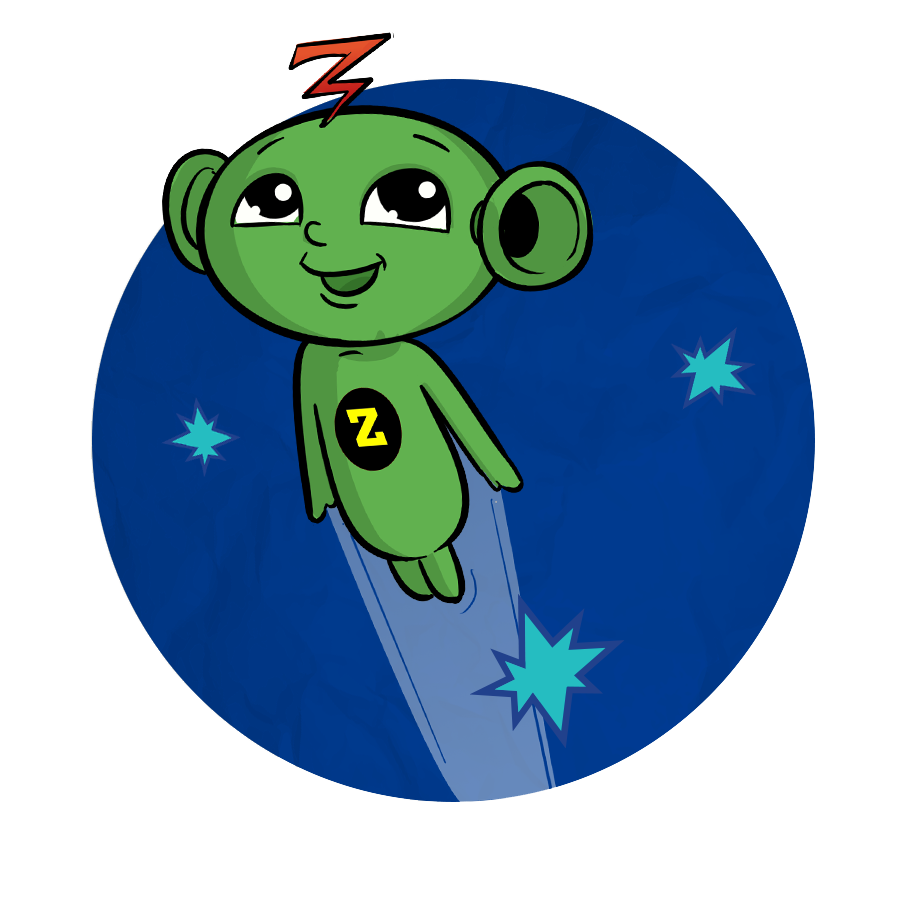
The Z mascot is not just a stuffed animal. Z represents so much more! In addition to the Storybooks where Z shares his adventures, Z can be used as an object for “one person talking at a time.” Z represents all of the healthy learning competencies and allows students to relate the stories to real-life situations.
My best educator tip for back to school: Take a look around and see your students for who they really are! Start here:
Plan and Prepare
You can never be too prepared. Decide what you want your kids to see when they walk in the room. What environment do you want to create? How do you see yourself teaching in your classroom? Is there flexible seating? Is there relationship building? Kids will see that you are focused on them and their success for the year. Curriculum will come as you assess students, but be sure to focus on creating a safe space in your class routines and environment. Add a bit of academics each week and you will be helping the whole child in your room.
Relationships, Relationships, Relationships!
If you haven’t heard it enough, the relationships you build with your students the first few weeks of school can continue well past the school year. Harmony is very useful in creating the class culture you want. As you work through the first section of activities and create your Class Harmony Goals, focus on students’ backgrounds, hopes, dreams, and how they like to learn and interact. You will be on your way to understanding the community you serve. Using Quick Connection Cards and Buddy Up resources will allow students to find a safe space to learn and grow. They won’t know everything right away, and neither will you. Be patient and take your time to build the relationship skills that will last a lifetime.
Share Your Success
We all hear about the teacher that “doesn’t smile before Thanksgiving.” Don’t be that teacher! Share your mistakes and your triumphs with your students, and help them share theirs with each other. Enjoy the amazing accomplishments that happen in the classroom with students. For example, you can cheer each other on in the Harmony morning circle. You can bring in some of the administration, too! Students like to hear that we are all one team. The shared goals and support makes them feel like their community will always be there for them.
Invite Parents
Please take the time to get to know your parents. They are your students’ first teachers. Bring them in! At Back-to-School Night, have a quick Harmony Circle and invite the parents to share their hopes and dreams for their kids. They want what is best for them! Parents are a partner in their education, so treat them as such.
Always Look Forward
Don’t forget to let the day go after events happen. If something goes wrong, learn from it and start again the next day. Keep coming in with a positive attitude and know your students count on you! Good luck this year and enjoy a job where you get to learn and grow every day!
Originally published 08/15/2024. Update on 07/08/2026
Top 5 Most Memorable What the World Needs Now Podcasts
Top 5 Most Memorable What the World Needs Now Podcasts
Hosted by Josh Monroe and Tom Whisinnand, 5th Grade Teachers from Omaha, Nebraska
In collaboration with Harmony Academy, we hosted18 podcasts with educators, school leaders, and changemakers this past year — all focused on how we can make education a better place for educators, leaders, and most of all, our students.
Here’s our countdown of our top 5 favorite guest moments of What the World Needs Now. We thank our podcast guests for joining us this year and making the world a better place.
Melody Hawkins, Ed.D. shared her journey as an educator and advocate for Black girls in education. She discussed the challenges faced by middle school students, particularly Black girls, and the impact of adultification bias on their experiences. Dr. Hawkins emphasized the importance of creating supportive environments, confronting biases, and encouraging future educators to enter the profession. The conversation highlighted the need for intentionality in education and the role of educators in shaping the future.
Val Alves, a passionate English teacher from São Paulo, Brazil, shared her insights on the challenges of English education in Brazil, and her experiences as a cancer survivor, offering a powerful narrative about perseverance and hope in the educational landscape.
Anderson Manuel talked about his journey in education, emphasizing the importance of finding one’s purpose, building relationships with students, fostering compassion in teaching, and leveraging AI to enhance the teaching experience. Anderson highlighted the importance of creating a joyful learning environment and the impact of educators on students’ lives.
Mai Xi Lee, Ed.D. discussed the importance of social, emotional, and academic learning, emphasizing that it is foundational to equity and not just an add-on. She shared her journey in education, the significance of belonging for students, and how educators can create inclusive environments. The conversation explored reframing educational success, the impact teachers can have within their classrooms, and the role of community in fostering a supportive educational ecosystem. Dr. Lee also highlighted the need for empathy and human connection in education, and offered insights on reigniting passion in teaching.
Christina Cipriano, Ph.D. shared her journey from being a first-generation high school graduate to becoming an Associate Professor at Yale. She emphasized the importance of social, emotional, and academic learning in education, advocating for a shift in how educators and parents communicate and collaborate. Dr. Cipriano discussed the need for systemic change in education, particularly in supporting neurodivergent students and their families. She introduced the concept of ‘calling in’ rather than ‘calling out’ in educational settings, promoting a collaborative approach to problem-solving. The conversation concluded with a call for compassion and understanding in the face of challenges in education and society.
Keeping Human Connections in Focus in our AI World
Keeping Human Connections in Focus in our AI World
By: Nick Yoder, Ph.D., Associate Vice President, Harmony Academy
Can artificial intelligence demonstrate empathy?
This was a question someone asked me on the Summit Stage at this year’s ASU+GSV Summit. As a social scientist for over 20 years, I took a moment to reflect. Did we ever think we would consider artificial intelligence (AI) as an option to replace human empathy? Especially when navigating life’s stressors, personal mistakes, or even heartbreak?
At face value, one might say “yes.” When I type in a problem I’m having at work or with a partner, especially one that feels frustrating or emotional, the AI will respond with words that look and sound like empathy: “I am sorry you are going through that. That appears to be troubling. Let me see what we can do to support you.”
But what is empathy? It’s many things, such as:
Being present with another person — emotionally and mentally. You show someone you are fully there to listen and support them as they share their thoughts or challenges.
Understanding emotions. You seek to understand another person’s thoughts, emotions, and experiences without trying to solve their problems or emotions for them.
Validating their emotions. You recognize where the emotion comes from. You aren’t necessarily agreeing with everything they say but acknowledging the emotion.
Offering non-judgmental curiosity.You ask questions about their experiences and feelings.
While AI may be able to provide responses that showcase empathy, it cannot be fully present with a person because, at its core, it’s made up of 0s and 1s that do not feel or have human emotions. Further, AI is often trained to keep you coming back by telling you what you want to hear. So, I would argue that AI cannot truly validate nor offer non-judgmental curiosity because it is trained to please.
3 Key Takeaways from ASU+GSV 2026
While this was an important interaction I wanted to reflect more on, there were many other key takeaways from the ASU+GSV Summit this year, including:
Human connections are more important than ever. As AI is now embedded in EdTech, we know that healthy relationships between teachers and students will be more important than ever.
AI will be a valuable tool in the classroom. AI will remove the cognitive load for teachers related to lesson planning and assessments, providing opportunities for more authentic connections. Resources like Harmony can be used more widely without the same concerns about time constraints in the classroom and can facilitate stronger connections between teachers and students.
AI will not replace the need for a compassionate educator. Our educators will need training to see how AI-supported learning tools can lead to more effective support for students. Only with trust, connection, and a strong sense of belonging built by teachers will student learning take place at the level needed for the jobs of the future. Our Belonging Together support is one way to ensure these important conversations continue in school communities with school leaders and their staff.
This year’s ASU+GSV Summit: The Power of Fusion, where we explored the future of AI-supported learning through a human-centered approach, will continue to be at the forefront of our work at Harmony.
Check out Dr. Yoder’s panel session, Raising Thinkers in an AI World: AI Cognition & Civic Dialogue, on the Summit Stage at the ASU+GSV Summit 2026.
Nick Yoder, Ph.D. is an Associate Vice President at Harmony Academy at National University. With a career in education spanning over two decades, Dr. Yoder is passionate about supporting the holistic development of students and adults to create harmonious communities.
Beyond “Nice to Have”: The Science of Belonging as a Fundamental Need for Success
Beyond “Nice to Have”: The Science of Belonging as a Fundamental Need for Success
by Terrell Lamont Strayhorn, Ph.D., and Sarah Caverly, Ph.D.
In the ever-evolving contexts of education and today’s workplace, we often obsess over metrics. We track grades, graduation rates, quarterly earnings, and productivity hours with a fervor that suggests these numbers tell the whole story of human success. Success, however, is rarely the result of aptitude or efficiency alone; it is deeply rooted in a far more primal, essential necessity — the universal need to belong. We often underestimate the importance of a sense of belonging. Sense of belonging is defined as a basic need, a human right, a fundamental motive sufficient to drive human behavior, as vital to our survival as air, water, food, shelter, and sleep (Strayhorn, 2019).
It is not merely a “soft skill” or a warm-and-fuzzy feeling to be fostered after the real work is done; rather, it is the very conditions that make the “real work” possible. When we unpack the factors that comprise academic persistence, employee retention, and mental well-being, we find that one’s desire to feel connected, respected, and valued is the engine driving the machine.
True belonging is being accepted and valued for who you are, authentically and unapologetically.
What Belonging Is — and What It Is Not
To understand the power of belonging, we must first clarify what it means, as the term is often conflated with other concepts, such as community and engagement, to name a few. Belonging is not the same as “fitting in.” Fitting in implies a chameleon-like adaptability where one changes who they are to be accepted by the crowd; true belonging is being accepted and valued for who you are, authentically and unapologetically.
Belonging exists when you matter not because you assimilate, but because you are a distinctive, indispensable member of the community. According to research, some of which is my own, sense of belonging refers to a student’s or employee’s perceived social support, a feeling of connectedness, and the experience of mattering — feeling cared about, accepted, respected, valued by and important to the group. The group, in turn, depends on the individual for what they bring and who they are (Strayhorn, 2019).
This interdependence is crucial because belonging is inherently relational. It is not a fixed trait that you simply have or do not have; it’s a dynamic state that changes based on context, time, and circumstances (Strayhorn, 2026). It relies on what I call relational consistency — the reliable, recurring, purposeful interactions that provide evidence that one matters to the people around them. Approaches like those offered by Harmony Academy emphasize everyday interactions and routines that allow belonging to be reinforced consistently, even as students, classrooms, and contexts change. Whether in a classroom or a boardroom, individuals are constantly scanning their environment for cues of safety, security, and acceptance (hereafter in this series ‘identity safety cues’). Acceptance, once perceived, frees the mind to focus on higher-order tasks like self-reflection, creative exploration, intellectual risk-taking, and ethical reasoning.
The Profound Impact of Belonging: The Evidence
When the need to belong is met, the results are transformative across every dimension of human development. Scholars have demonstrated that human development, particularly in educational and professional settings, can be hindered when individuals feel invisible or isolated; however, it flourishes when they feel cared for, connected, safe, and secure, both physically and psychologically. For students, a strong sense of belonging is linked to better academic performance, increased persistence, a stronger sense of self, and higher self-efficacy. For educators, belonging reduces stress and is associated with greater productivity and retention (Strayhorn, 2010; 2025).
Building Belonging: From Theory to Practice
If belonging is the goal, how do we build it? We must move beyond passive platitudes to conscious construction. Construction of belonging-rich environments requires intentionality in our policies, practices, and everyday interactions.
In the Classroom and On Campus. For students, belonging is often fostered in the “small moments” of relational consistency. It is the teacher who learns names and pronounces them correctly. It is the syllabus that includes culturally-relevant scholars, signaling to students from all backgrounds that they have a place in the intellectual lineage of the field. It is also the presence of intentional, recurring practices such as those embedded in the Harmony Curriculum that create predictable opportunities for students to be seen, heard, and valued. Alongside high-impact practices like honors seminars, undergraduate research, service learning, and living-learning communities that structure social interaction around shared academic interests, these everyday moments become the glue of community.
Furthermore, we must help students develop navigational capacity — the skills and know-how to maneuver through complex institutional structures that were often not built for them. This involves clear access to advising that anticipates student needs rather than waiting for students to fail. Schools and districts can create visible, student-friendly systems such as “Where Do I Go?” hubs, designated staff points-of-contact, or simple digital help desks where students and families can quickly get answers about schedules, assignments, transportation, or resources. When students know where to turn and feel that the institution is actively trying to help them succeed, they are apt to feel like they belong.
In the Workplace. For employees, belonging begins with onboarding processes that do more than check boxes; they must connect new hires to the culture and people of the organization. Workplaces should facilitate ‘near peer’ mentorship and sponsorship opportunities, ensuring that everyone has a guide to help them navigate the professional landscape. That’s made easier when staff are recognized not just for their labor, but for their unique contributions — what psychologists call “ego-extension,” or the feeling that others share in your success (and frustration), and that your work represents the group.
Moving Beyond Deficit Framing: The Asset-Based Approach
To truly foster belonging, we must fundamentally shift our mindset regarding the people we serve. We serve best when we reject the “deficit model” that views students or employees as problems to be fixed. Fixed mindsets lead us to label students as “at-risk” and employees as “low performers” or “difficult,” labels that pathologize their backgrounds and ignore the systemic barriers they face.
Instead, we must adopt a strengths-based lens that views students and staff as “at-promise.” When we validate students or personnel — when we explicitly tell them, “You belong here, and you have what it takes” — we activate their resilience and grit. Grit, however, is not just about individual perseverance; it is about the environment providing the soil in which that perseverance can take root (Strayhorn, 2014). By focusing on assets rather than deficits, we signal that culture, identity, and language are not challenges to be managed, but resources to be celebrated and leveraged toward human success.
A Call to Action
The work of building belonging is never finished; it must be continually satisfied because circumstances and contexts change (Strayhorn, 2019). Change is the only constant in education and the workforce, and as we face new challenges, we must recommit to the human needs of our communities.
As we go into this series, here’s a set of questions and recommendations for those who lead, teach, and serve:
For Educators: Are you relying on “transactional” interactions that focus only on the task at hand, or are you building relational consistency by showing authentic care? Ask yourself: Do my students and staff know that I believe in them and their ability to grow?
For Community Leaders: How are you signaling to the most vulnerable among the community that they are indispensable to the whole? Are your spaces physically and psychologically safe for everyone, or do they only serve the majority?
For Families: How can you support the navigational capacity of your children by helping them affirm their sources of strength, and how do you co-engage with schools to support learning and development?
For Policymakers: Are your metrics of success limited to test scores and earnings, or do they account for the human need to belong? Are you funding the support structures — like counseling centers, gathering hubs, accommodations, and need-based aid — that make belonging possible?
For Organizations: Do you view belonging as a “pie in the sky” bonus, or as a strategic imperative for retention and innovation? Are you creating pathways for every employee to feel they matter?
Building belonging at scale requires both individual commitment and shared structures. When educators and organizations pair intentional mindsets with consistent, research-aligned practices, such as those reflected in the Harmony Curriculum, belonging moves from an aspiration to activation, from a magical moment to a daily lived experience.
Belonging is the thread that weaves our individual striving into a collective story of success. Success is within reach, but only if we ensure that every person who walks through our doors knows, without a shadow of a doubt: You matter. You are enough. You belong here. Just the way you are.
References
Strayhorn, T. L. (2014). What role does grit play in the academic success of black male collegians at predominantly white institutions? Journal of African American Studies, 18(1), 1–10. https://doi.org/10.1007/s12111-012-9243-0
Strayhorn, T. L. (2019). College students’ sense of belonging: A key to educational success for all students (2nd ed.). Routledge.
Integrate Belonging Into Summer Learning With Harmony!
Summer learning offers an opportunity to do more than keep students engaged. It’s also a chance to create learning environments where every student feels accepted, valued, and connected to their peers and teachers — the very definition of belonging within a school community.
Belonging research shows that students who feel a strong sense of belonging are more likely to participate, take academic and social risks, and persevere through challenges (Walton & Cohen, 2007). As a result, their learning and achievement outcomes improve (Fisher et al., 2025)!
Intentionally creating learning spaces where students feel they belong not only ensures they experience an enriching summer of learning, but can also inspire them to carry that momentum into the new school year.
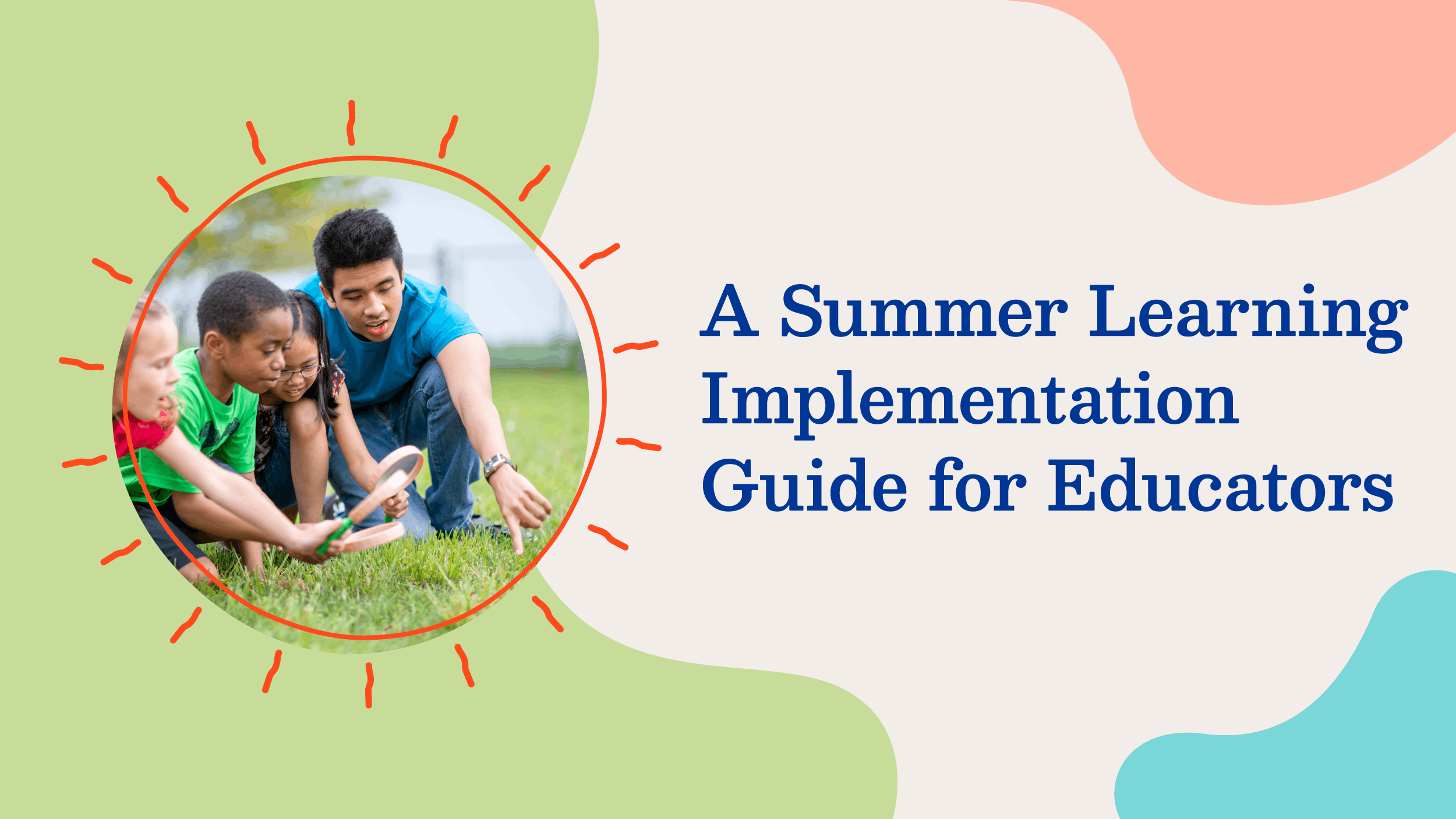
The Harmony Curriculum Summer Implementation Guide is your map for building that sense of belonging from day one. This guide centers the three main elements of Harmony Curriculum Everyday Practices — Harmony Goals, Meet Up, and Buddy Up — as well as the mini lessons.
The turnkey lessons provide step-by-step instructions and scripting to easily incorporate belonging practices into your summer school curriculum. You will be equipped to foster harmonious student relationships that strengthen their sense of community and drive meaningful learning outcomes.
Why Use Harmony This Summer?
Foster Belonging: Build community with students from day one using relationship-focused practices.
Promote Collaboration: Help students work better together through structured, engaging peer interactions.
Support Educator Wellness: Join our June and July live online training sessions for teacher self-care and well-being.
Walton, G. M., & Cohen, G. L. (2007). A question of belonging: Race, social fit, and achievement. Journal of Personality and Social Psychology, 92(1), 82–96. https://doi.org/10.1037/0022-3514.92.1.82
Originally published 05/14/2025. Update on 05/14/2026
Students Share the Small Ways Teachers Build Belonging
Students Share the Small Ways Teachers Build Belonging
In Honor of Teacher Appreciation Month, we want to recognize the amazing educators who build belonging in classrooms every day. Teachers have a remarkable superpower: helping every student feel seen, valued, and like they belong in their learning communities.
How do we know that? Because their students told us!
We reached out to teachers across the country to ask their students: What does your teacher do to make sure all students feel like they belong in your classroom?
Here are their heartfelt responses:
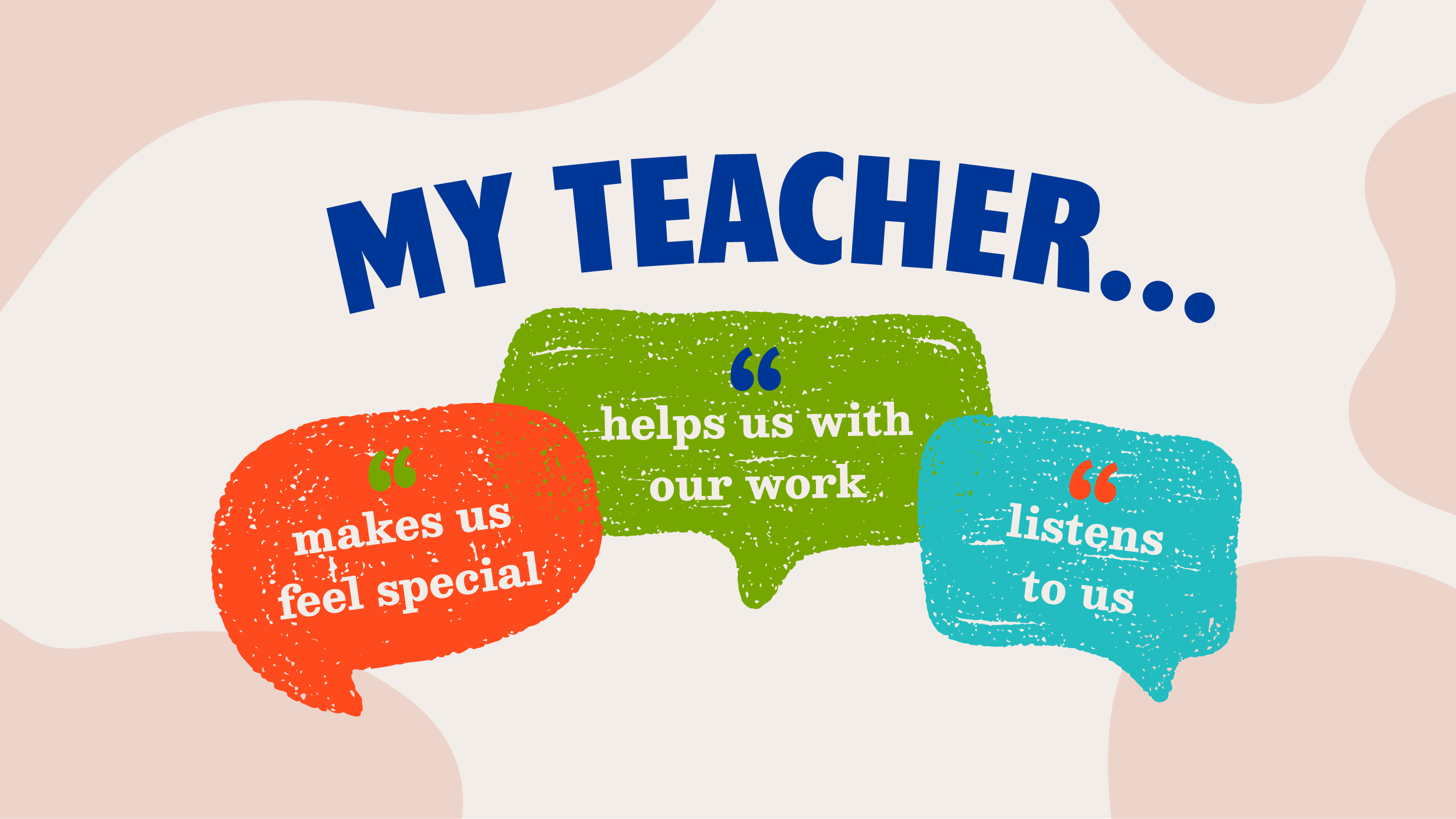
“She helps us when we struggle.” – Leo C., 3rd grade
“She calls on us when we raise our hand.” – Una D., 3rd grade
“She makes us feel special. It’s her superpower!” – Owen K., 3rd grade
“She lets me and my friends help out, and gives new opportunities to be helpful.” – Myra K., 3rd grade
“When we need help, she comes to help us.” – Caroline M., 3rd grade
“We talk a lot, and what she says makes my insides feel warm and toasty.” – Zara O., 1st grade
“My teacher shows interest in what we do outside of school.” – Parker S., 1st grade
“My teacher gives us opportunities to show our personality.” – Liam T., 2nd grade
“My teachers smile and greet us.” – Vanessa M., 7th grade
“She is nice, she listens to us, we trust her, and I never want to go to 2nd grade.” – Jaycee D., 1st grade
“My teacher helps us with our work. She is nice, and everybody loves her, especially me.” – A’amoni H., 1st grade
“My teacher makes everyone in my classroom feel like they belong because she always asks if you feel down when you cry and she checks up on you.” – Gunner A., 4th Grade
“Every day Ms. Ahn helps the classroom and she is very funny. She picks the people with low points! She always treats us the same and always talks about what we should do. This tells me she is a good teacher and makes me feel like I belong.” – Anna G., 4th Grade
“My teacher has a special way of making everyone feel like they truly belong. When someone gets a problem wrong, he never makes them feel bad. He helps them understand where they went wrong, helps them fix it, and gives them the chance to share their new thinking.” – Elijah, 4th grade
“My teacher makes the whole class feel like we belong when we get new partners each Monday, and we spend time getting to know each other through different questions he asks. It helps me feel comfortable. “ – Berkley, 5th grade
We also received this video message from a second grader in Memphis, Tennessee:
What else can we say? Thank you teachers for making your students feel like they matter. You’re our belonging champions!
Schools today are grappling with rising chronic absenteeism, widening learning gaps, and increasing teacher dissatisfaction. Belonging — the feeling of being accepted, valued, connected, and a contributor within a community — is a fundamental human need. Research consistently shows that fostering belonging strengthens both student outcomes and educator wellbeing. It’s not just a feeling to be nurtured, but a foundational condition that shapes school climates, instructional effectiveness, and student success.
This whitepaper explores:
Barriers to student and staff feeling a strong sense of belonging
What belonging looks like in practice for students and adults
Concrete strategies educators and leaders can take to promote belonging